In the heart of the Midwest, Dayton, Ohio, stands as a thriving center of commerce, innovation, and community engagement. From bustling retail storefronts and medical facilities to corporate offices and hospitality establishments, businesses across Dayton serve a diverse mix of customers every day. With such diversity comes the responsibility to ensure every individual—regardless of physical ability—can navigate spaces safely, easily, and with dignity.
That’s where ADA Signs Dayton become more than a requirement—they become a symbol of inclusion, professionalism, and customer care.
Whether you’re a property manager in Kettering, a healthcare provider in Beavercreek, a commercial real estate firm in Huber Heights, or a logistics service hub in Trotwood, understanding the value of ADA signage isn’t just good practice—it’s essential.
In this in-depth exploration, we’ll look at:
-
What ADA signs are and why they matter
-
Legal requirements for business owners
-
How ADA signage benefits accessibility, safety, and brand perception
-
The financial and operational implications for B2B enterprises
-
Best practices for ADA sign selection and placement
-
Why businesses in Dayton trust experts like SpeedPro Dayton
-
5 common FAQs about ADA signage
Understanding ADA Signs: What They Are and What They’re Not
ADA signs refer to signage that complies with the Americans with Disabilities Act (ADA) Standards for Accessible Design. These standards ensure that people with disabilities can access public buildings, services, and facilities without barriers.
Unlike traditional signs, ADA signs aren’t just decorative or informational:
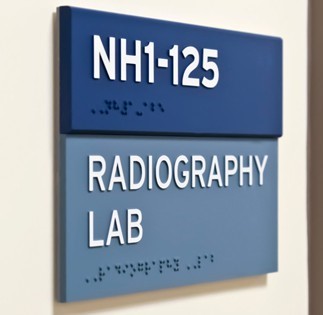
✔ They include tactile (raised) characters
✔ They use braille for visually impaired individuals
✔ They have proper contrast and font sizing
✔ They’re installed at specific locations and heights
These features aren’t arbitrary—they serve functional needs. For example, a visually impaired person navigating a medical office or municipal building depends on correct ADA signage to find exits, restrooms, or department offices independently.
In Dayton’s competitive business environment, these signs are a cornerstone of creating spaces that are welcoming to all.
Legal Foundations: Why ADA Signs Are Mandatory
At the heart of ADA compliance is the idea of equal access. The Federal ADA law mandates that certain structures and services must be accessible. That applies to:
-
Public accommodations
-
Commercial facilities
-
Government buildings
-
Healthcare facilities
-
Educational institutions
If your business in Dayton serves the public or houses essential services, ADA signage isn’t optional—it’s legally required.
Failure to comply can trigger:
⚖ Federal fines
⚖ Lawsuits under civil rights provisions
⚖ Loss of government contracts
⚖ Damage to reputation
For B2B organizations providing services to government agencies, landlords, or educational institutions, compliance becomes part of contractual performance.
Imagine a property management firm in Centerville bidding on a municipal leasing contract—non-compliance with ADA signage standards could immediately disqualify a proposal. That’s why proactive compliance isn’t just smart—it’s strategic.
Enhancing Accessibility: Not Just a Requirement, but a Responsibility
ADA signage ensures that every person—whether visually impaired, mobility-challenged, or hearing limited—can access and understand their environment without friction.
Let’s break down the real benefit:
🔹 Visual Clarity for Everyone
Good ADA signs use high-contrast text and symbols to help:
-
Visitors with low vision
-
Older adults with sight challenges
-
People unfamiliar with the location
These features aren’t exclusive to disability access—they help EVERYONE.
🔹 Wayfinding for Independence
A customer arriving at a bank or medical center should never have to ask for directions multiple times. ADA signage helps:
➡ Locate entrances
➡ Find elevators and exits
➡ Identify restrooms and amenities
Independence builds confidence. In a business setting, that translates into customer loyalty.
🔹 Safety in Emergencies
In high-stress situations like fire evacuations or medical incidents, correctly placed ADA signs help:
✔ Guide all users toward exits
✔ Prevent congestion
✔ Assist emergency responders
Without proper signage, confusion could escalate a dangerous situation.
Business Reputation and Customer Experience
Modern consumers expect businesses to demonstrate social responsibility.
In studies of consumer behavior:
📌 Accessibility ranked highly among purchasing decisions
📌 Inclusive brands attract repeat customers
📌 Businesses that invest in accessibility are seen as more trustworthy
In Dayton’s vibrant market, reputation matters.
If retail establishments in Oakwood or corporate offices in Wright-Patterson Village fail to support accessibility, they risk:
🔹 Negative online reviews
🔹 Lost referrals
🔹 Reduced engagement from community groups
Conversely, enterprises that prioritize accessibility signal to customers—and future employees—that they value diversity and welcome all visitors.
This positive perception can lead to stronger partnerships, better client retention, and a competitive edge.
The B2B Perspective: Why ADA Signs Matter for Service Providers
While ADA signs are visibly important to customers and clients, they carry strategic importance for B2B companies too.
1. Contract Eligibility
Many service contracts—especially with government entities—require proof of ADA compliance.
Companies without proper signage risk:
-
Disqualification from bids
-
Financial penalties
-
Contract disputes
For industries like construction, facility management, and commercial leasing in Dayton and nearby areas such as Fairborn and Beavercreek, demonstrating ADA compliance becomes a competitive differentiator.
2. Risk Mitigation
ADA non-compliance exposes companies to legal action from advocacy groups or individual claimants.
Insurance claims or settlements tied to accessibility violations can:
✔ Increase operational costs
✔ Divert attention from core business goals
✔ Damage stakeholder trust
Investing in proper ADA signage reduces this risk.
3. Enhanced Workplace Accessibility
For companies with multiple locations or client sites, consistent ADA signage:
➡ Improves internal navigation
➡ Supports employee wellbeing
➡ Enhances safety protocols
These benefits drive productivity and reduce day-to-day friction.
Dayton’s Growing Accessibility Needs
Dayton’s economy has experienced steady growth across sectors:
📦 Manufacturing
🏨 Hospitality
🏥 Healthcare
💼 Professional services
With growth comes increased demand for inclusive environments. ADA signs aren’t just about sticking to compliance—they’re part of Dayton’s ongoing development as an inclusive community.
Facilities in Beavercreek, Miamisburg, and Englewood are investing in ADA signage upgrades to support:
-
Cultural centers
-
Medical campuses
-
Industrial parks
-
Retail districts
Whether you’re renovating an existing property or building new facilities, ADA signage is a key step in future-proofing your business.
Best Practices for ADA Sign Implementation
Ensuring ADA compliance is more than just buying signs. It’s about strategic, standards-based placement and design.
Here’s what every Dayton business should consider:
✔ Follow ADA Standards for Sign Content
ADA standards specify requirements such as:
-
Raised characters
-
Braille text
-
Character size based on viewing distance
These elements ensure readability.
✔ Choose the Right Materials
Signage must withstand wear, cleaning, and long-term use. Options include:
-
Durable plastics
-
Metal plaques
-
High-contrast finishes
Investing in quality means fewer replacements and consistent compliance.
✔ Strategic Placement
ADA signs should be placed:
-
At room entrances
-
Near restrooms and elevators
-
In corridors and stairwells
Incorrect placement can render compliant signs ineffective.
✔ Coordinate with Interior Design
ADA signs should be functional and professional. Coordinating with design elements supports brand consistency while meeting legal requirements.
✔ Partner with Experts
Companies like SpeedPro Dayton understand both ADA standards and business branding needs. Whether for:
-
Office suites
-
Retail centers
-
Healthcare facilities
their expertise ensures your signage strategy matches your operational goals.
An experienced partner helps you navigate:
-
Standards interpretation
-
Design customization
-
Installation planning
Why Dayton Businesses Trust Professional Sign Services
For many B2B enterprises engaging in renovations or expansions, ADA signage can feel overwhelming.
That’s where experienced professionals make the difference.
Choosing a local signage provider brings advantages:
🎯 Local Knowledge
Providers familiar with Dayton’s building codes and community standards can align ADA needs with city requirements.
👷 Full-Service Solutions
From design to fabrication to installation, full-service teams handle the heavy lifting.
🎨 Brand-Aligned ADA Signage
Many businesses worry that ADA compliance limits brand expression. The truth? Professional signage solutions deliver compliance and creativity, reinforcing your visual identity while checking all legal boxes.
For example, SpeedPro Dayton has helped organizations across the Dayton region (including Vandalia, Huber Heights, and Trotwood) implement signage that is both compliant and visually compelling.
Through thoughtful consultation and technical expertise, businesses streamline compliance and elevate public perception.
Moving Forward: Accessibility as a Business Standard
Accessibility and inclusion are not fleeting trends—they are foundational business principles. ADA signs in Dayton are far more than compliance markers; they are strategic investments that:
✔ Improve customer experience
✔ Mitigate legal risk
✔ Enhance brand reputation
✔ Support future business growth
Whether you are a facilities manager, a business owner, or a corporate leader, prioritizing ADA signage sends a clear message:
FAQs:
1. What types of businesses need ADA signs?
Any business open to the public—retail stores, medical offices, restaurants, corporate offices, government buildings—must comply with ADA signage standards.
2. What standards do ADA signs have to meet?
ADA signs must include features like raised characters, braille, high contrast, and specific placement heights, all defined in the ADA Standards for Accessible Design.
3. How often should ADA signage be updated?
Whenever a space is remodeled, repurposed, or when ADA standards are updated. Periodic audits help ensure ongoing compliance.
4. Can ADA signs be customized to match branding?
Yes! Professional sign manufacturers can integrate brand colors and style while maintaining compliance.
5. What are penalties for non-compliance?
Penalties range from legal action to fines and possible exclusion from public contracts. Proactive compliance protects your business and reputation.