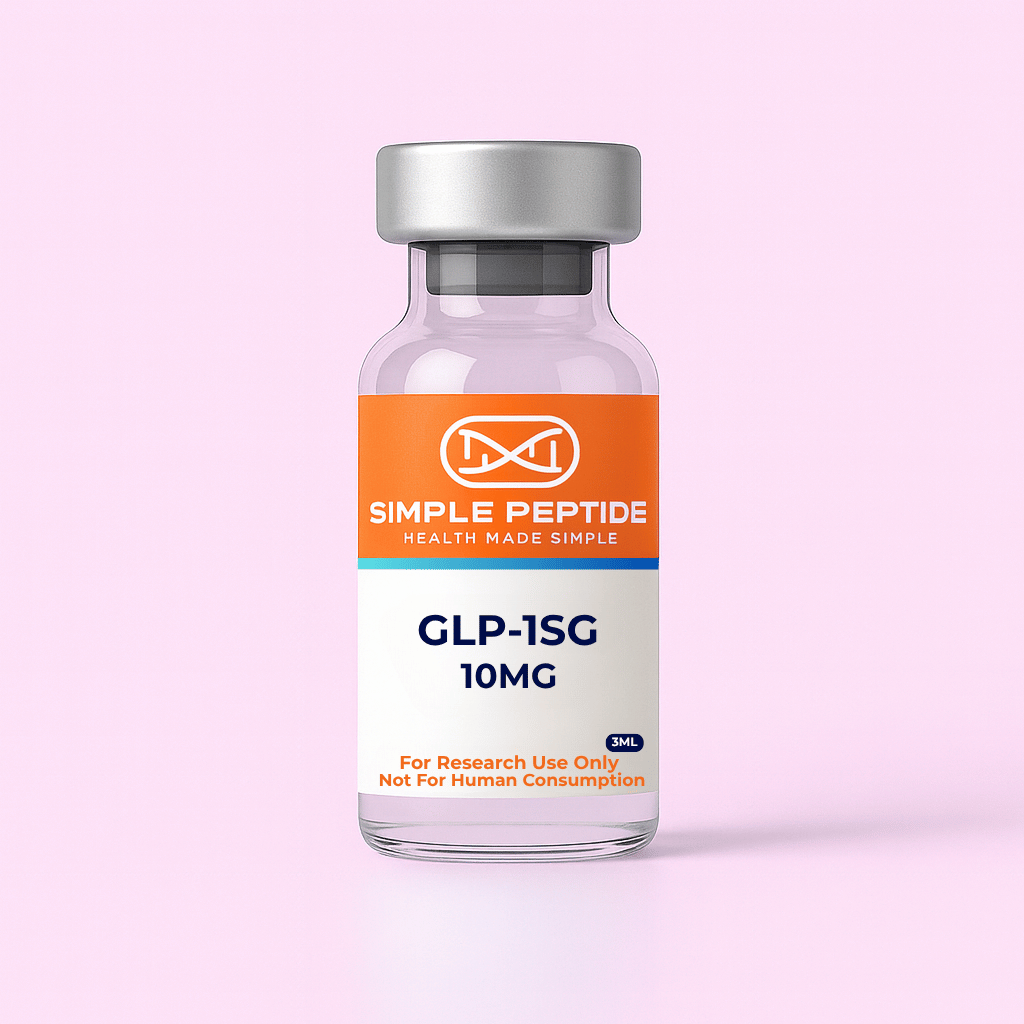
Metabolic research is continuously exploring how hormones influence glucose control and energy balance. One area of focus is gut-derived hormones and their signalling pathways. Laboratory studies aim to understand diabetes and weight-related mechanisms at a cellular level. Within controlled research environments, scientists study how signaling compounds interact with specific receptors to influence metabolic responses, particularly using GLP 1 agonists as research tools.
What are GLP 1 Agonists in Research Settings
GLP 1 agonists are laboratory compounds designed to activate specific metabolic receptors. Researchers use them to investigate how hormone signaling affects glucose regulation, satiety, and energy metabolism.
These compounds are strictly limited to research use and are not for human or clinical application. Their primary value lies in exploring biological mechanisms under controlled experimental conditions.
Many laboratories rely on USA peptides to ensure high purity, stability, and reproducibility. Accurate sourcing allows researchers to consistently replicate results and analyze receptor interactions reliably.
Purity and structure of research peptides are essential. Variations can introduce inconsistencies in receptor binding studies and other metabolic experiments.
GLP 1 Pathways in Diabetes-Focused Research
Diabetes studies often focus on how glucose is processed at the cellular level. GLP 1 receptor signaling is central to these investigations, providing insight into insulin response and glucose balance in laboratory models.
Researchers emphasize that findings remain limited to experimental systems. GLP 1 receptor agonists are tools for mapping metabolic pathways, not treatments or interventions for humans.
Key Diabetes Research Areas
Glucose Regulation Studies
Researchers examine how receptor activation affects glucose uptake, storage, and breakdown in controlled laboratory settings, providing detailed metabolic insights.
Insulin Response Analysis
Experiments focus on cellular insulin signaling after receptor stimulation to better understand metabolic pathways without translating findings to humans.
Hormonal Interaction Research
GLP 1 pathways are observed alongside other hormones to study complex interactions, clarifying network effects in metabolism during lab experiments.
Receptor Binding Mechanisms
Laboratory studies track how GLP 1 receptor agonists interact with target receptors, providing foundational knowledge for ongoing metabolic research.
Weight Regulation Insights From Laboratory Models
Research into weight management studies how energy intake and expenditure are controlled by hormones. GLP 1 pathways allow scientists to investigate satiety, nutrient processing, and energy efficiency in non-human models.
Laboratory observations focus on changes in feeding behavior and metabolism. Data from these studies help clarify energy regulation mechanisms, remaining strictly within research boundaries.
Focus Areas in Weight-Related Research
Appetite Signaling Observation
Researchers monitor how satiety cues are communicated between the digestive system and neural networks, revealing hormone-controlled feeding patterns.
Energy Balance Evaluation
Studies track energy intake and energy expenditure in controlled conditions to understand how metabolic systems maintain balance over time.
Metabolic Efficiency Analysis
Experiments investigate nutrient processing and energy storage efficiency, providing reproducible insights that inform laboratory-based metabolic research.
Pathway Interaction Studies
Researchers explore how GLP 1 receptor agonists influence multiple signaling pathways simultaneously, offering a detailed view of metabolic coordination.
All such studies rely on research peptide materials that are carefully sourced and verified for laboratory use only.
Research Models and Responsible Scientific Use
Most GLP 1 investigations use in vitro models or non-human experimental systems. These methods allow precise observation of receptor activation, signaling pathways, and metabolic responses under controlled conditions.
Ethical and regulatory compliance is a priority. Laboratory studies remain limited to data collection and observation, without translating results to clinical recommendations.
Responsible research requires strict labeling, documentation, and adherence to experimental protocols. This approach protects the integrity of data and maintains reproducibility.
Controlled, research-only use ensures that GLP 1 agonists continue to contribute meaningful insights into metabolic science while maintaining safe and ethical practices.
Key Takeaways From GLP 1 Research
Research into GLP 1 pathways continues to improve scientific understanding of glucose regulation and weight control. Laboratory studies using GLP 1 receptor agonists provide insights into insulin signaling, appetite regulation, and energy balance.
Highlights From Current Research
Insight Into Glucose Control
GLP 1 agonists allow scientists to map how insulin and glucagon respond in experimental models, without human application.
Understanding Appetite Regulation
Controlled studies reveal how satiety signals are transmitted, offering valuable data for metabolic research and future hypothesis development.
Energy Balance Mechanisms
Observing energy intake versus expenditure in lab models provides reproducible information about nutrient metabolism and storage patterns.
Role of Research Peptides
Using standardized peptides ensures consistent experimental results, supporting reliable data analysis across multiple metabolic research studies.
These findings are strictly laboratory-focused and provide a foundation for ongoing research. Companies like Simple Peptide supply high-quality, research-only materials that make this work possible while maintaining ethical boundaries.
Conclusion
Scientific exploration of metabolic signaling continues to reveal important details about glucose and weight regulation. Laboratory studies, using GLP 1 agonists and research peptides, provide data that is both reliable and ethically collected. Suppliers such as Simple Peptide support these studies by offering high-quality research-grade compounds. By maintaining strict non-human use standards, these efforts continue to advance metabolic research responsibly, offering valuable insights without making clinical claims.