In the competitive landscape of modern business, first impressions are everything. Before a customer ever speaks to a representative or browses a product, they interact with your physical presence. This is where building signage plays a pivotal role. More than just a way to identify a location, your exterior signs serve as a 24/7 silent salesperson, a beacon for your brand, and a critical component of your local marketing strategy.
Whether you are a retail storefront, a corporate office, or an industrial facility, understanding the nuances of building signs can be the difference between blending into the background and standing out as a local landmark.
Why Building Signage Matters
The primary purpose of any exterior sign is communication. However, effective building signage goes beyond simply stating a business name. It performs several key functions:
-
Brand Reinforcement: Your sign is often the largest representation of your brand identity. It uses your specific colors, fonts, and logos to build familiarity and trust with the community.
-
Increased Foot Traffic: A high-quality sign can trigger impulse stops. Research consistently shows that a significant percentage of customers visit a business for the first time because of its signage.
-
Cost-Effective Advertising: Unlike digital ads or print media that require recurring payments, a building sign is a one-time investment that works for you every single day for years.
-
Wayfinding and Safety: Signs help people find you. In a crowded commercial area or a large business park, clear signage prevents frustration and ensures a smooth customer experience.
Popular Types of Building Signage
When choosing the right sign for your facility, it is important to consider the architecture of the building, local zoning laws, and your specific branding goals. Here are the most effective options available:
Channel Letters
Channel letters are perhaps the most popular choice for modern storefronts. These are individual, three-dimensional letters, usually made of aluminum and acrylic, that are mounted directly to the building. They can be front-lit, back-lit (creating a “halo” effect), or both. Their depth and illumination make them highly visible from great distances, especially at night.
Dimensional Letters
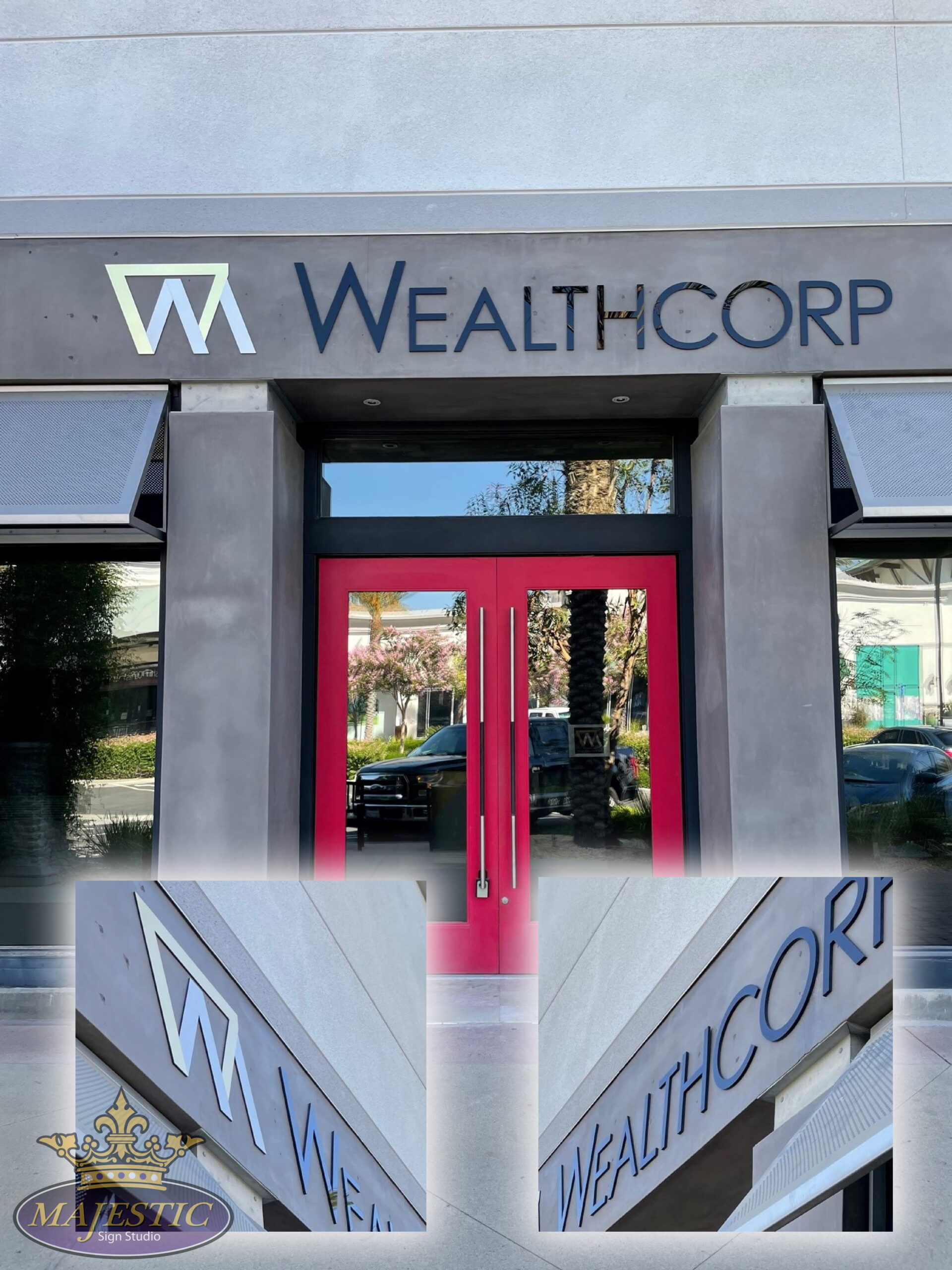
Similar to channel letters, dimensional letters are 3D, but they are typically not internally illuminated. They can be made from a variety of materials including acrylic, metal, and high-density urethane (HDU). These are excellent for businesses that want a sophisticated, professional look and have external lighting already in place.
Monument Signs
While not always attached directly to the wall, monument signs are a crucial part of a building’s signage ecosystem. These low-profile signs are usually placed near the street or entrance. They provide a sense of permanence and prestige, often utilizing masonry, stone, or high-end finishes that match the building’s architecture.
LED and Illuminated Signs
Visibility shouldn’t end when the sun goes down. High-quality building signage that incorporates LED technology ensures your brand is visible 24/7. Modern LEDs are energy-efficient, long-lasting, and can be used in everything from cabinet signs to digital message centers.
Blade Signs and Projecting Signs
In high-traffic pedestrian areas, signs mounted flat against a wall might be missed by people walking on the sidewalk. Blade signs hang perpendicular to the building, making them easy to spot for foot traffic. These are often used in downtown districts and shopping malls to add a charming, boutique feel to a storefront.
The Design Process: Form Meets Function
Creating effective building signage is a delicate balance between aesthetics and technical requirements. Here are the factors that professional sign designers prioritize:
Legibility and Readability
A sign is useless if it cannot be read. This involves choosing the right font (serif vs. sans-serif), ensuring high contrast between the letters and the background, and calculating the proper “letter height” for the speed of passing traffic. For example, if your business is on a highway, your letters need to be significantly larger than if you are in a pedestrian-only zone.
Material Selection
Exterior signs must withstand the elements. Aluminum is a favorite because it doesn’t rust, while acrylic is preferred for its ability to diffuse light evenly. In areas with high heat or extreme cold, the choice of material is vital to prevent warping or fading over time.
Color Psychology
Colors evoke emotions. Blue often conveys trust and professionalism (common for banks), while red can trigger excitement or hunger (common for restaurants). Your building signage should align with these psychological cues while remaining consistent with your established brand palette.
Navigating Permits and Regulations
One of the most overlooked aspects of building signage is the legal requirement. Most cities and municipalities have strict “sign codes” that dictate:
-
Maximum square footage allowed.
-
How far a sign can project from a wall.
-
The brightness level of illuminated signs.
-
Placement relative to property lines.
Working with an experienced sign company is essential here, as they often handle the permitting process, ensuring your sign is compliant with local laws and avoiding costly fines or forced removals.
Maintenance and Longevity
Building signage is an asset, and like any asset, it requires maintenance. Over time, LED modules may dim, or environmental debris can dull the finish of the letters. Regular cleaning and occasional electrical inspections ensure that your sign continues to represent your business in the best possible light. High-quality materials like those used in professional outdoor signs can last a decade or more with minimal care.
Conclusion: Making Your Mark
Your building is more than just a place of work; it is a canvas for your brand. Investing in professional building signage is one of the most impactful decisions a business owner can make. It bridges the gap between the digital world and the physical world, telling the story of who you are to every person who passes by.
By choosing the right style—whether it be bold channel letters, a classic monument sign, or sleek dimensional lettering—you are not just putting up a nameplate; you are claiming your space in the community and inviting the world to step inside. In the world of business, visibility is the first step toward success, and a great sign is the most effective way to achieve it.