Your skin ages faster than you realize. Every month, your skin sloughs off old skin cells; but most people are left with dull skin tone and spots regardless. Lotions and creams may deliver promises, but most of them layer on top of the skin and so nothing improves from year to year.
It is at this point that light-based therapies take on importance. Laser therapy is the process that works beneath the surface. It causes repair, stimulates collagen, or simply changes skin dynamics.
In this guide, you will discover the process of laser facial treatment, the process inside the skin, and the science behind a natural-looking rather than a forced result. The concentration remains on simple science, real results, and the important aspect of healthy skin. Let’s get into the basics.
What Is a Laser Facial Treatment?
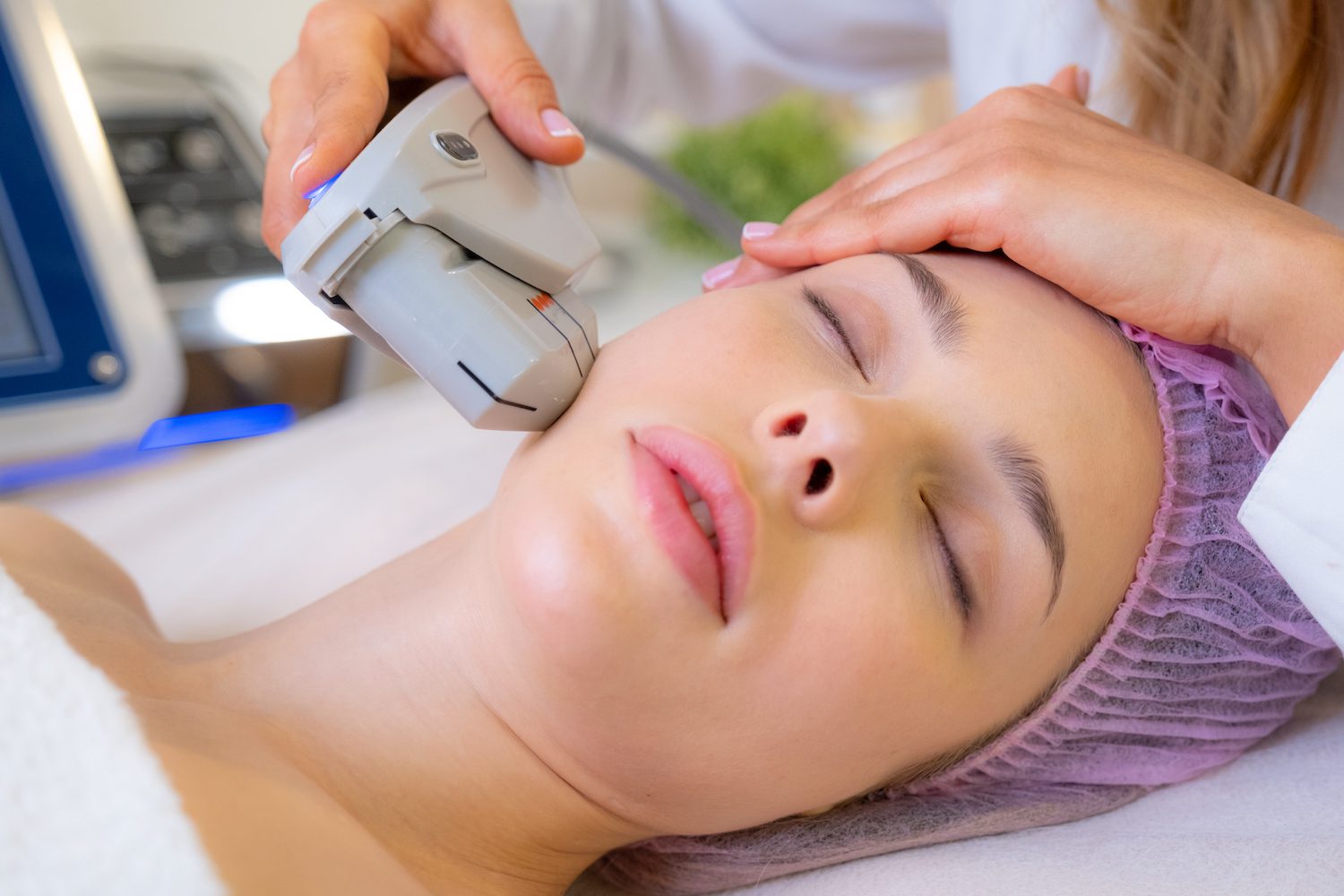
A laser facial treatment involves the utilization of the energy emanating from focused light, targeting specific skin concerns. Unlike surface treatments, laser facials penetrate deeper layers of the skin without damaging the top layer of the skin.
As soon as it enters the skin, this light energy is converted to heat energy. The heat causes a reaction in the form of a repair reaction. So, there is a start of renovation from within the skin.
Not all lasers are the same, and they certainly aren’t all treating the same issue. Some may be for the pigment, others for smoothing fine lines, and others for the concern of texture. The best ones do rely on skin type and issues.
How Laser Technology Interacts With Skin Cells
Skin responds to light in a very precise way. Each laser uses a set wavelength. This wavelength targets water, pigment, or blood vessels.
Once the laser hits its target, controlled heat forms. This does two things at once:
- It breaks down damaged cells
- It signals healthy cells to repair the area
This process is called selective photothermolysis. It allows treatment without harming nearby skin.
Over time, the skin becomes firmer, clearer, and more even in tone.
The Role of Collagen in Skin Transformation
Collagen gives skin its strength and bounce. From your mid-twenties, collagen levels drop each year.
Laser facial treatment helps reverse this decline.
Why Collagen Matters
- It keeps skin smooth
- It supports skin structure
- It reduces fine lines
Laser heat wakes up fibroblast cells. These cells produce fresh collagen. The process continues for weeks after treatment, which explains why results improve with time.
Types of Laser Facial Treatments and Their Uses
Not all lasers work the same way. Each type solves a different problem.
Ablative Lasers
These remove thin layers of skin. They work well for deep lines and scars. Healing time is longer, but results are strong.
Non-ablative Lasers
These heat the skin without removing layers. They suit mild ageing, texture, and tone issues. Recovery is quick.
Fractional Lasers
These treat tiny sections of skin while leaving surrounding areas untouched. Healing is faster, and results build gradually.
A professional assessment ensures the right option for your skin.
Skin Concerns Laser Facial Treatment Can Improve
Laser facial treatment suits many skin issues, both cosmetic and medical.
Common concerns include:
- Uneven skin tone
- Sun damage
- Fine lines
- Acne scars
- Enlarged pores
Because lasers target the cause, not just the surface, results tend to last longer than topical care alone.
What Happens During a Laser Facial Session?
The typical length of a session is between 30 and 60 minutes long.
The skin will be cleansed first. Protective gear for the eyes will be worn. Cooling equipment could be used for cooling sensation.
A sensation of warmth or light may also be felt as the snaps turn on the skin. It is said to be a mild experience for most people.
During this time, the skin may appear to be flushed. However, this fades after a couple of days.
Recovery and Healing: What Science Says
Healing depends on laser depth. Non-ablative treatments allow a return to daily life the same day.
The skin repair process follows stages:
- Inflammation begins repair
- New cells form
- Collagen rebuilds structure
Sun protection matters during healing. Fresh skin is more sensitive to light.
Results continue to improve over several weeks as collagen develops.
Why Skin Results Improve Weeks After Laser Facial Treatment
The laser skin treatment does not give immediate final results. Rather, the process begins and keeps on happening under the skin.
After treatment, the body enters a stage of repair. There is increased blood flow, cell turnover, and collagen synthesis. This is a gradual process. Most patients see improvements over a period of four to twelve weeks.
A delay in the reaction is a positive development. It indicates the skin is reviving itself rather than reacting on the surface. Texture becomes smoother, skin tones become normal, and firmness enhances gradually.
As the results are developed steadily, the skin appears renewed and hardly treated. Such a gradual process contributes to the perceived subtle and effective experience of laser skin treatment for the face.
How Many Sessions Are Needed?
Most people see change after one session. However, skin renewal works best in cycles.
Typical plans include:
- 3 to 6 sessions
- 3 to 4 weeks apart
This timing matches natural skin turnover. Gradual improvement also keeps results natural.
Laser Facial Treatment vs Other Facial Treatments
Laser facials differ from chemical peels and microdermabrasion.
Key Differences
- Lasers work deeper
- Results last longer
- Fewer sessions needed
Surface treatments still help with glow and maintenance. Lasers focus on repair and long-term change.
Many skin plans combine both for best results.
Safety, Skin Types, and Modern Laser Advances
Older lasers carried more risk for darker skin tones. Modern systems now offer safer options for all skin types.
Cooling systems, adjustable wavelengths, and precise energy control reduce risk.
A trained professional adjusts settings based on skin tone, concern, and history. This personal approach keeps treatment safe and effective.
Is Laser Facial Treatment Worth It?
Results vary, but science supports its benefits. Clinical studies show improved collagen, smoother texture, and better tone.
People often notice:
- Brighter skin
- Firmer feel
- Reduced marks
When done correctly, results look natural. Skin appears healthier rather than altered.
Conclusion
A laser facial treatment is an option because it fully understands the healing process of the skin. Rather than imposing a solution, it assists the skin in healing through light. The skin gets the benefit of the treatments because it reaches the deeper layers. This makes it smooth, toned, and strong.
The treatment does not result in immediately apparent skin, but it stays that way, making it a long-lasting solution. The skin can be smooth, clear, and balanced when the correct laser skin treatment equipment is utilized. This eliminates the guesswork of treatments, making them a successful solution for healthy skin.
Frequently Asked Questions
Does laser facial treatment hurt?
Most treatments feel warm rather than painful. Cooling systems help reduce discomfort. Sensation depends on laser type and skin sensitivity.
How long do results last?
Results can last months or longer. Collagen growth continues after treatment. Maintenance sessions help extend benefits.
Can laser facial treatment treat acne scars?
Yes. Certain lasers break down scar tissue and boost collagen. Multiple sessions often give the best outcome.
Is laser facial treatment safe for sensitive skin?
Modern lasers suit sensitive skin when settings are adjusted. A consultation helps assess suitability and reduce risk.