Gas leakages do not make themselves heard. Sometimes there’s no smell. The alarm occasionally remains quiet. Human beings think that all is well. That supposition leaves people injured, closed down, and dead.
This is why gas detector calibration matters. Any detector should be useful on the condition that it tells the truth. In Singapore, where tight quarters, industry, and high standards of safety are in contact, precision is not a choice.
Calibration transforms a decorative device into a life-saving device, a gas detector.
Why Gas Detectors Fail Without Calibration
Gas detectors don’t stay accurate forever. Sensors drift. Exposure to heat, humidity, and chemicals changes how they respond.
A detector may still power on. It may still beep. That doesn’t mean it measures correctly.
Without calibration, detectors can:
- Miss dangerous gas levels
- Trigger alarms too late
- Create false confidence
- Cause unnecessary shutdowns
False readings feel safe until they aren’t.
What Calibration Actually Does
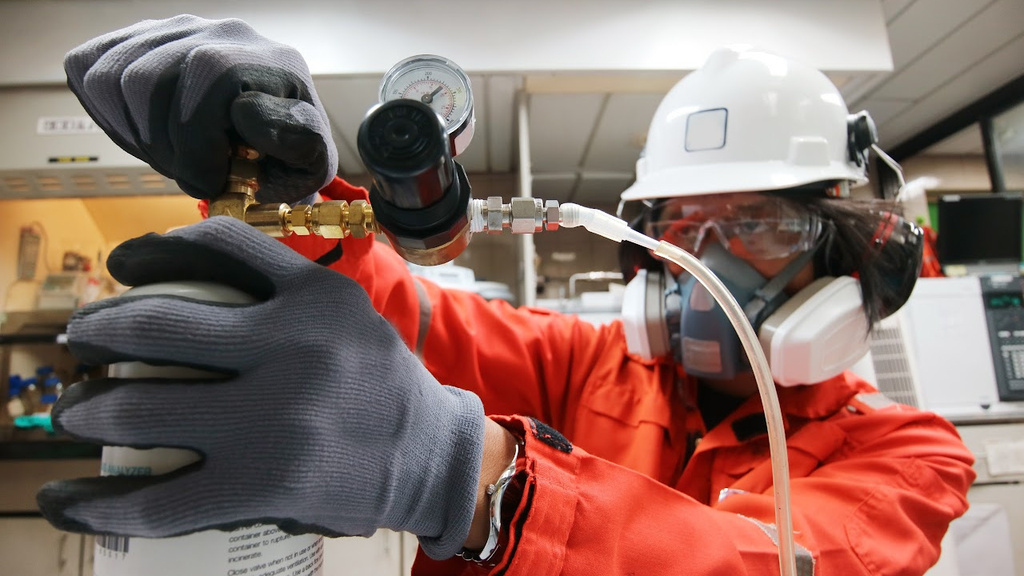
Calibration compares a detector’s reading against a known gas concentration. The device adjusts to match reality.
This process corrects sensor drift. It restores accuracy. It confirms response speed.
Gas detector calibration doesn’t improve safety on paper. It fixes real measurement errors.
Why Singapore’s Environment Makes Calibration Critical
Singapore’s climate stresses sensors. Heat stays constant. Humidity stays high. Industrial gases circulate in dense zones.
Moisture affects sensor chemistry. Temperature affects response time. Pollution adds interference.
That’s why gas detector calibration in Singapore must follow stricter schedules than cooler regions.
Skipping calibration here shortens sensor reliability fast.
How Calibration Fits Into Daily Safety Routines
Calibration works best when it becomes routine, not a reaction. Many sites treat it as a special task. That mindset causes gaps. Safety improves when calibration fits into normal operations.
Teams that plan calibration alongside maintenance avoid disruption. They don’t wait for shutdowns or incidents. They schedule checks when systems already pause.
This approach keeps protection active without drama.
Who Is Responsible for Calibration on Site
Confusion over responsibility causes delays. Some assume vendors handle it. Others expect safety officers to notice problems.
Clear ownership matters.
Responsibility usually sits with:
- Safety managers who track compliance
- Maintenance teams who handle equipment
- Supervisors who monitor daily conditions
When roles stay unclear, calibration slips through gaps.
Why Portable Detectors Need Extra Attention
Portable detectors face harsher treatment. They get dropped. They travel between zones. They face varied gas exposure.
That movement accelerates sensor drift.
Portable units often need calibration more often than fixed systems. Treating them the same creates blind spots.
Extra attention keeps mobile protection reliable.
What Happens When Calibration Gets Delayed
Delays don’t cause immediate failure. That’s the danger.
Readings slowly drift. Alarm thresholds shift. Confidence builds around false numbers.
By the time someone notices, exposure already happened.
Delayed calibration rarely causes one big error. It creates many small ones that stack quietly.
Industries Where Calibration Saves Lives
Some environments carry higher risk. Gas detectors act as early warning systems.
High-risk settings include:
- Manufacturing plants
- Laboratories
- Chemical storage areas
- Confined spaces
- Energy facilities
In these places, seconds matter. Accurate alarms prevent exposure and explosions. Calibration keeps reaction time sharp.
How Inaccurate Detectors Create Silent Danger
A faulty detector doesn’t scream. It lies quietly. Workers trust readings. Managers trust systems. Ventilation stays off. Operations continue.
Then symptoms appear. Headaches. Dizziness. Nausea. Sometimes collapse. Inaccurate detectors don’t cause accidents alone. They remove the chance to react.
How Often Calibration Should Happen
Calibration frequency depends on exposure and usage.
General guidance includes:
- Regular bump testing before use
- Full calibration every few months
- Immediate calibration after sensor exposure
- Calibration after repairs or drops
High-risk sites calibrate more often. Waiting for alarms to fail is too late.
Bump Testing vs Full Calibration
These two steps get confused often.
Bump testing checks if the alarm responds. It confirms sound and response.
Calibration checks accuracy. It aligns measurements.
Both matter. One does not replace the other.
Skipping either creates blind spots.
Common Reasons Calibration Gets Ignored
Calibration doesn’t feel urgent. Until it is.
Common excuses include:
- “The detector still works.”
- “We calibrated it last year.”
- “It hasn’t alarmed yet.”
- “It costs time.”
These excuses disappear after incidents. Calibration costs less than investigations.
What Proper Calibration Looks Like
Proper calibration follows process, not shortcuts.
It includes:
- Using certified calibration gas
- Following manufacturer procedures
- Logging results clearly
- Replacing failing sensors
- Confirming alarm thresholds
Improvised calibration creates unreliable results. Accuracy needs discipline.
Legal and Safety Consequences in Singapore
Singapore enforces workplace safety seriously. Investigations look at systems, not excuses.
Uncalibrated detectors raise red flags. They suggest negligence.
Failure to maintain detectors affects:
- Compliance
- Insurance coverage
- Liability assessments
- Operational licensing
Gas detector calibration in Singapore isn’t optional under safety frameworks.
How Calibration Prevents False Alarms
False alarms cause complacency. People stop reacting.
Calibration reduces nuisance alarms by ensuring detectors respond only to real threats.
This keeps trust intact. Workers respond faster when alarms matter.
Accuracy protects both safety and productivity.
Training Matters as Much as Calibration
Calibrated detectors still fail if people misuse them.
Training ensures staff know:
- Where detectors should be placed
- How to perform bump tests
- When calibration is due
- What alarms mean
Calibration and training work together. One without the other weakens protection.
Signs Your Detector Needs Immediate Calibration
Some warnings shouldn’t wait.
Red flags include:
- Slow alarm response
- Inconsistent readings
- Frequent false alarms
- Exposure to extreme conditions
- Physical damage
Ignoring these signs invites risk.
Why Documentation Matters
Calibration without records might as well not exist.
Documentation proves compliance. It tracks sensor health. It shows due diligence.
Inspectors ask for logs. Insurance asks for proof.
Records protect organisations after incidents.
Cost Myths Around Calibration
Some see calibration as an expense. It’s risk control.
Costs increase when:
- Sensors fail unexpectedly
- Incidents trigger shutdowns
- Investigations delay operations
Routine calibration prevents these losses.
Skipping it never saves money.
How Accuracy Actually Saves Lives
Accurate detectors give early warnings. Early warnings allow evacuation. Evacuation prevents exposure.
This chain only works if readings are true.
Gas detector calibration protects people before danger becomes visible.
That’s how accuracy saves lives.
Final Thought
Gas detectors only protect when they measure correctly. Calibration keeps them honest. In Singapore’s demanding environments, accuracy degrades fast without attention.
Gas detector calibration in Singapore isn’t paperwork. It’s prevention. It’s trust. It’s responsibility.
When alarms sound at the right time, people walk away safely. When they don’t, the cost is permanent.
Key Points
- Gas detectors drift over time
- Calibration restores accuracy
- Singapore’s climate accelerates sensor wear
- Bump testing and calibration differ
- Documentation protects compliance
FAQs
How often should gas detector calibration be done?
Every few months, or sooner in high-risk areas.
Is bump testing enough?
No. It checks response, not accuracy.
Can a detector work without being accurate?
Yes. That’s what makes it dangerous.