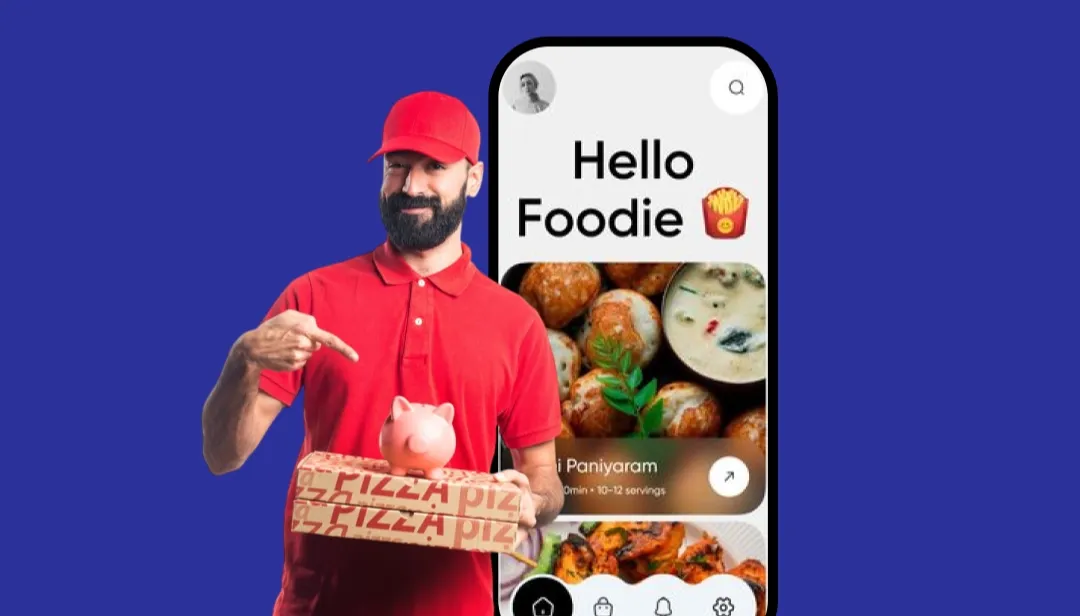
The food delivery industry has transformed how people order and enjoy meals. What started as a convenience has now become a daily habit for millions of users worldwide. For startups, this shift presents a massive opportunity—but success depends on understanding the real costs, revenue potential, and challenges involved in food delivery app development.
If you’re planning to launch a food delivery startup, this guide will walk you through everything you need to know before investing your time and money.
Why Food Delivery Apps Are a Smart Startup Idea
The global food delivery market continues to grow rapidly due to urban lifestyles, smartphone adoption, and increasing demand for convenience. Consumers now expect fast ordering, live tracking, multiple payment options, and personalized recommendations—all from a single app.
For startups, food delivery apps offer:
- High user demand
- Scalable business models
- Multiple monetization opportunities
- Long-term growth potential
However, entering this space requires a clear strategy and realistic planning.
How a Food Delivery App Works
Before diving into costs and revenue, it’s important to understand the basic ecosystem of a food delivery platform.
A typical food delivery system includes:
- Customer App – Browse restaurants, place orders, track delivery
- Restaurant Panel – Manage menus, accept orders, update availability
- Delivery Partner App – Receive orders, navigate routes, update status
- Admin Dashboard – Control users, commissions, payments, analytics
Each component plays a critical role in delivering a smooth user experience.
Food Delivery App Development Cost for Startups
One of the most common questions startups ask is: How much does it cost to build a food delivery app?
The answer depends on several factors.
Key Cost Factors
- App Features
Basic features cost less, while advanced options like AI recommendations or real-time analytics increase the budget. - Platform Choice
- Android only
- iOS only
- Cross-platform (Android + iOS)
- UI/UX Design
Custom, user-friendly designs improve engagement but add to development cost. - Technology Stack
Backend complexity, APIs, cloud hosting, and third-party integrations affect pricing. - Development Team Location
Hiring developers from different regions impacts overall cost.
Estimated Cost Breakdown
- Basic MVP App: $15,000 – $25,000
- Mid-Level App: $30,000 – $50,000
- Advanced App (Uber Eats–like): $60,000 – $100,000+
For startups, launching with an MVP is often the smartest approach. It allows you to test the market, gather feedback, and scale gradually.
Revenue Models for Food Delivery Startups
A well-designed food delivery app isn’t just about orders—it’s about sustainable revenue.
Here are the most effective monetization strategies:
1. Commission from Restaurants
Charge restaurants a percentage (10%–30%) on every order placed through your platform.
2. Delivery Fees
Earn revenue from customers by charging delivery fees based on distance, time, or demand.
3. Subscription Plans
Offer premium plans to customers or restaurants for benefits like:
- Free delivery
- Priority listing
- Exclusive deals
4. In-App Advertising
Restaurants can pay for featured listings, banners, or sponsored promotions.
5. Surge Pricing
Increase delivery charges during peak hours or high demand periods.
Using a combination of these models helps startups balance profitability and user satisfaction.
Major Challenges in Food Delivery App Development
While the opportunity is huge, food delivery startups face several real-world challenges.
1. Intense Market Competition
Established players already dominate many regions. New startups must focus on niche markets, better service, or unique value propositions.
2. Logistics & Delivery Management
Managing delivery partners, route optimization, and real-time tracking can be complex and expensive.
3. User Retention
Discount-driven users often switch platforms easily. Retaining customers requires:
- Fast delivery
- Reliable service
- Consistent app performance
4. Restaurant Onboarding
Convincing restaurants to join a new platform takes effort, incentives, and trust-building.
5. Technical Scalability
Apps must handle peak traffic without crashes, delays, or payment failures.
Overcoming these challenges requires both strong technology and smart business planning.
Must-Have Features for Startup Food Delivery Apps
To compete effectively, your app should include essential features that users expect.
Customer App Features
- User registration & login
- Restaurant search & filters
- Menu browsing
- Order tracking
- Multiple payment options
- Ratings & reviews
Restaurant Panel Features
- Order management
- Menu updates
- Availability control
- Earnings reports
Delivery Partner Features
- Order notifications
- GPS navigation
- Delivery status updates
- Earnings dashboard
Admin Panel Features
- User management
- Commission control
- Analytics & reports
- Promotional tools
Starting with core features and upgrading later helps manage costs.
Choosing the Right Development Partner
Your app’s success heavily depends on the team building it. An experienced food delivery app development company can help you avoid costly mistakes, choose the right technology, and launch faster with scalable architecture.
Look for a partner that offers:
- Startup-friendly development approach
- MVP expertise
- Transparent pricing
- Post-launch support
- Proven experience in on-demand apps
Tips for Startups to Succeed in Food Delivery
- Start small with a focused region or niche
- Invest in UI/UX for better engagement
- Optimize delivery logistics early
- Use data to improve user experience
- Plan for scalability from day one
Success in food delivery isn’t just about launching fast—it’s about building a platform users trust.
Final Thoughts
Food delivery app development offers immense potential for startups, but it’s not a guaranteed win. Understanding development costs, revenue models, and operational challenges is critical before entering this competitive space.
With the right strategy, features, and execution, startups can build scalable food delivery platforms that meet modern customer expectations and generate sustainable revenue in the long run.