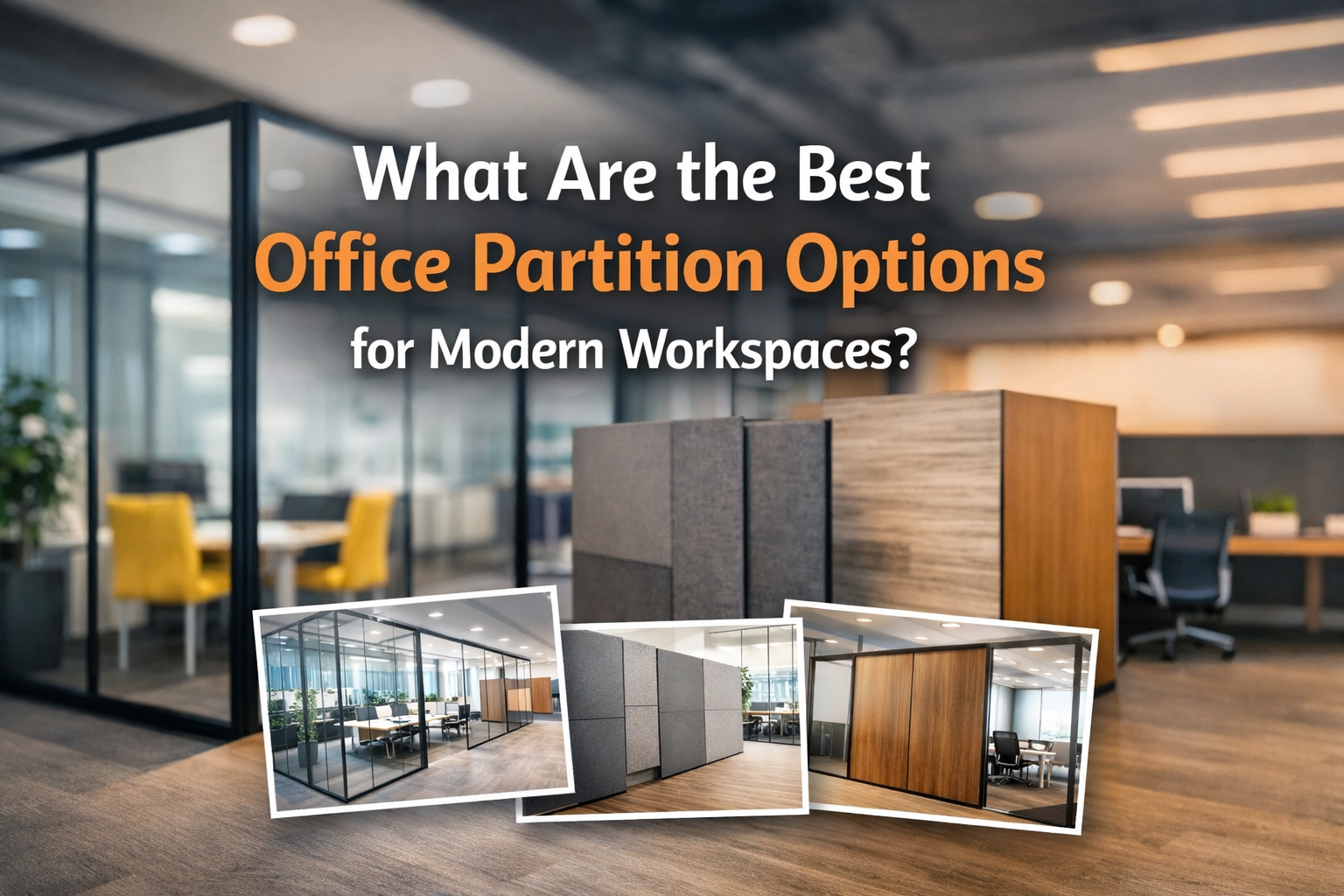
Modern workspaces are no longer defined by rigid cubicles or closed cabins. Today’s offices are designed to balance collaboration, privacy, flexibility, and aesthetics. As businesses evolve, the way office interiors are planned has also shifted, making office partitions a critical element in workspace design. Choosing the right partition system can significantly impact productivity, employee comfort, and long-term usability.
With the growing demand for adaptable interiors, Office Partitions Sydney trends increasingly focus on solutions that combine openness with structure, allowing teams to work efficiently while maintaining visual and acoustic balance. Well-planned partition layouts help organisations respond to changing work patterns without extensive renovations.
This article explores the best office partition options for modern workspaces, focusing on functionality, design adaptability, and future-ready solutions. It also explains how thoughtful partition choices support changing business needs without compromising style or efficiency.
The Role of Office Partitions in Modern Work Environments
Office partitions are more than physical dividers. They help define work zones, reduce distractions, manage acoustics, and create a sense of organisation within open layouts. In modern offices, partitions are expected to do all this while maintaining openness and visual flow.
With increasing demand for flexible workspaces, office partitions now serve as adaptable tools rather than permanent structures. They allow businesses to redesign layouts without heavy construction, supporting both short-term changes and long-term growth.
Key Factors to Consider Before Choosing Office Partitions
Before selecting a partition system, it is important to evaluate the practical and aesthetic needs of the workspace. Several factors influence the effectiveness of office partitions:
Space Utilisation
Efficient use of available floor area is essential. Partitions should enhance movement while clearly defining work zones.
Privacy Requirements
Some teams require visual and acoustic privacy, while others benefit from open collaboration.
Natural Light Flow
Modern offices prioritise daylight access. Partitions should support light penetration rather than block it.
Flexibility and Scalability
Workspaces often change as teams grow. Partition systems should be easy to modify or relocate.
Acoustic Control
Noise management is crucial in shared environments. The right materials can significantly reduce sound transfer.
Glass Partitions: A Popular Choice for Modern Offices
Glass partitions have become one of the most preferred options in contemporary office design. They create a clean, professional look while maintaining transparency.
Benefits of Glass Partitions
Glass allows natural light to flow freely across the workspace, making offices feel larger and more inviting. It supports visual connectivity without sacrificing separation.
In many commercial interiors, glass systems are widely used for meeting rooms, private offices, and executive spaces. In cities with dense commercial activity, such as Sydney, glass-based layouts are often associated with modern office partitions Sydney designs due to their adaptability and premium appearance.
Safety and Maintenance
Tempered and laminated glass options improve safety and durability. In rare cases of damage, access to Emergency Glass Repair Sydney services ensures minimal downtime and maintains workplace safety without disrupting daily operations.
Framed vs Frameless Glass Partitions
Glass partitions are available in framed and frameless styles, each offering distinct advantages.
Framed Glass Partitions
These provide additional structural support and improved sound insulation. Frames can also complement interior colour schemes.
Frameless Glass Partitions
Frameless systems deliver a seamless, minimalist look. They are ideal for offices prioritising aesthetics and visual openness.
Choosing between the two depends on acoustic needs, budget considerations, and overall design intent.
Solid Wall Partitions for Enhanced Privacy
While glass dominates modern offices, solid partitions remain essential in certain scenarios. These are suitable for confidential departments, executive rooms, or areas requiring high noise control.
Advantages of Solid Partitions
Solid walls provide maximum privacy and acoustic insulation. They are effective in spaces where focused work or sensitive discussions are common.
Modern solid partitions use lightweight materials, making them easier to install and reconfigure compared to traditional masonry walls.
Modular Office Partitions for Flexible Workspaces
Modular partitions are designed for adaptability. They consist of prefabricated panels that can be assembled, removed, or rearranged with ease.
Why Modular Systems Work Well
Modular partitions support business growth without requiring major renovations. They are ideal for startups, expanding teams, and hybrid work environments.
Their flexibility aligns well with modern workspace planning, where layouts must adapt quickly to changing team structures.
Acoustic Partitions for Noise Control
Noise is a common challenge in open offices. Acoustic partitions address this issue by reducing sound transmission between work zones.
Materials Used in Acoustic Partitions
These partitions often incorporate fabric panels, insulated cores, or perforated surfaces that absorb sound. They are commonly used in call areas, meeting rooms, and collaborative zones.
Acoustic solutions enhance concentration and reduce stress, contributing to overall workplace well-being.
Movable and Sliding Partitions
Movable partitions offer dynamic space management. They allow large areas to be divided or opened up as needed.
Practical Applications
Sliding and folding partitions are useful in training rooms, conference areas, and multi-purpose spaces. They provide flexibility without permanent layout changes.
These systems are especially valuable in offices that host events or require frequent reconfiguration.
Wooden and Composite Partitions for Warm Aesthetics
For offices seeking a more natural or premium feel, wooden and composite partitions offer an excellent alternative.
Design Benefits
Wood textures add warmth and character to workspaces. Composite materials combine durability with visual appeal, making them suitable for modern interiors.
These partitions are often used in executive areas or creative environments where aesthetics play a key role.
Sustainability and Eco-Friendly Partition Options
Sustainability is increasingly influencing office design decisions. Many modern partitions are made using recyclable materials and low-emission finishes.
Sustainable Benefits
Eco-friendly partitions support green building goals and improve indoor air quality. They also align with corporate responsibility initiatives without compromising performance.
Using sustainable materials contributes to long-term cost efficiency and environmental impact reduction.
Fire Safety and Compliance Considerations
Office partitions must meet local building and fire safety standards. Fire-rated partitions are essential in certain zones to ensure compliance and occupant safety.
Glass and solid partitions can be treated or manufactured to meet fire resistance requirements without affecting design quality.
Maintenance and Long-Term Performance
Ease of maintenance is another important consideration. Modern partition systems are designed for durability and simple upkeep.
Glass surfaces are easy to clean, while modular panels allow damaged sections to be replaced without dismantling entire systems. In cases where glass damage occurs, timely Emergency Glass Repair Sydney services help maintain safety and visual consistency.
Customisation Options for Modern Offices
Customisation allows businesses to align partitions with branding and functional needs. Options include frosted glass, patterned films, coloured frames, and integrated blinds.
Custom partitions enhance both aesthetics and practicality, offering tailored solutions for diverse work environments.
How Office Partitions Support Hybrid Work Models
Hybrid work has transformed office usage patterns. Partitions help create zones for collaboration, focus work, and virtual meetings.
Flexible partition systems allow offices to adapt to fluctuating occupancy levels while maintaining efficiency and comfort.
Choosing the Right Partition Strategy
Selecting the best office partition option involves balancing design, functionality, and future needs. A well-planned partition strategy improves workflow, enhances employee experience, and supports business growth.
Modern office partitions Sydney layouts often reflect a blend of glass, modular, and acoustic solutions to meet diverse operational requirements without overcomplicating design.
Final Thoughts
The best office partition options for modern workspaces are those that support flexibility, comfort, and long-term adaptability. From glass and modular systems to acoustic and movable partitions, each option serves a specific purpose within contemporary office design.
By prioritising readability, openness, and performance, businesses can create work environments that are both functional and visually appealing. Thoughtfully chosen partitions contribute to productivity, employee satisfaction, and efficient space utilisation, making them an essential element of modern office planning.