
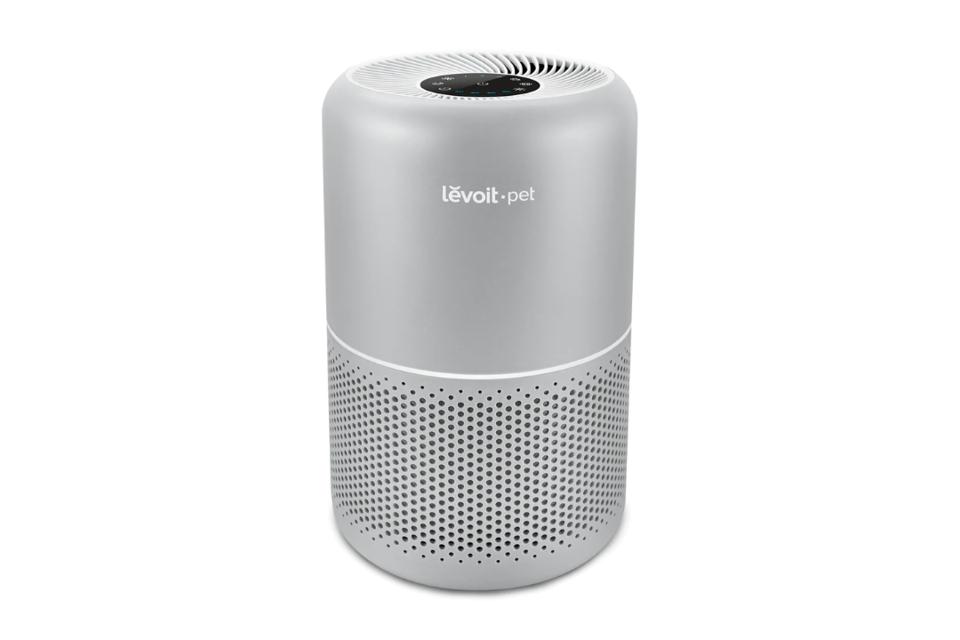
Pet owners often rush decisions when indoor air starts to feel heavy and unpleasant. Fur, dander, and odour slowly build up and affect daily comfort for both pets and people. A pet purifier often feels like a quick fix, yet many buyers overlook key details that shape results. Poor choices lead to noise issues, weak performance, and wasted effort. Clear guidance helps owners avoid these mistakes and choose wisely. By understanding common errors early, readers gain confidence and protect both pet health and home comfort.
Choosing Size Over Suitability
- Room size needs close matching.
- Pet count shapes air demand.
- Home layout guides airflow.
Some owners grab a large unit and expect success. Size alone, however, misleads buyers. A purifier must suit room volume and pet load because a mismatched capacity weakens results. If pets move across rooms, one unit, as a result, lacks reach. Since airflow paths differ, placement plays a key role. Choose a model that fits the space where pets sleep and play to gain steady results.
Ignoring Room Layout
Furniture, doors, and corners block air paths. A running unit still fails if walls trap polluted air. Air must move freely; otherwise, performance drops. Place the unit where air flows with ease, which then lifts performance and keeps the air fresh.
Misjudging Open and Closed Spaces
Open homes spread air across zones, while closed rooms trap it. For this reason, match the purifier to the room type to avoid weak coverage and uneven cleaning.
Overlooking Filter Type
- Filters trap different particles.
- Pet hair needs a strong capture.
- Odour needs special layers.
Many buyers skip filter checks, yet filters shape how well a unit works. Hair, dander, and smells need specific layers because each pollutant behaves differently. A weak filter, therefore, leaves the air dirty. Pets shed each day, so a poor filter clogs fast and, in turn, loses power.
Confusing Filter Labels
Some labels use complex terms, which often distract buyers. Focus on what the filter traps rather than fancy names, as clear details support careful choices.
Ignoring Multi-Layer Design
Single filters miss fine particles. Multi-layer designs, by contrast, trap more waste and keep air cleaner for longer.
Skipping Filter Care Needs
- Filters need regular change
- Care effort shapes use.
- Easy access supports routine.
Some filters need frequent changes. When care gets ignored, performance drops, and results fade. Owners then blame the unit rather than the upkeep. Pick a design that suits daily life and allows simple care, which, in turn, keeps results steady.
Failing to Track Filter Life
Filters have limits. Track usage time and replace parts on schedule so the unit continues to perform at its best.
Falling for Loud Performance
- Noise affects pets
- Calm homes need quiet units.
- Rest areas need care.
A strong unit may roar. Noise, however, disturbs pets and people alike. Dogs and cats sense stress and react with fear or avoidance. Balance power with comfort so peace remains intact at home.
Ignoring Pet Sensitivity
Pets hear sharp tones that humans miss. A steady hum may push pets to hide; therefore, test sound levels before a final choice.
Placing Units Near Rest Areas
Units placed near beds raise stress. Move them away from sleep zones so pets relax without fear.
Missing Energy Use Details
- Long run times raise use
- Home habits shape demand.
- Smart use saves effort.
Some owners forget about energy use. Since purifiers run for long hours, power draw matters greatly. A poor choice strains the bills and limits the run time. Check efficiency marks and plan daily use to keep a balance.
Forgetting Usage Patterns
Homes with pets need steady air care. Planned run times, as a result, help balance clean air and energy use.
Ignoring Seasonal Shifts
Shedding rises during certain seasons, and energy demand follows this change. Plan so that use remains efficient throughout the year.
Expecting Instant Results
- Air change takes time.e
- Dust returns to the surface.s
- Habits support progress
A purifier works over time. Some owners expect clear air at once, yet particles float and settle over hours. Patience, therefore, brings better results. Pair use with cleaning habits to support progress and protect filter life.
Skipping Routine Cleaning
Vacuuming and grooming support any pet purifier. Clean floors and brushed pets reduce filter load and keep the air fresh for longer.
Trusting the Machine Alone
No unit works in isolation. Good habits, instead, strengthen results and maintain clean air.
Ignoring Maintenance Access
- Filter access matters
- Easy cleaning saves effort.
- Clear guides build trust.
Some models hide filters behind tight panels. This design slows care and, over time, leads to neglect. Choose a unit that invites upkeep because easy care leads to steady use and clean air.
Avoiding Clear Instructions
Simple guides support routine care. Clear steps reduce errors and build confidence during upkeep.
Overlooking Build Quality
Loose panels and weak latches break with use. Strong build quality, therefore, supports long-term care.
Buying Without a Long-Term View
- Pet growth shifts needs
- Seasons change shedding
- Homes evolve with time.
Pets grow, and shedding patterns change. A small unit may fail after growth or home changes. Think ahead and plan for future needs so replacements remain unnecessary. A pet purifier should serve for years, not weeks.
Ignoring Future Pet Plans
Some homes add pets later. Plan capacity with growth in mind to avoid repeat purchases.
Forgetting Home Changes
Moves, renovations, and layout shifts affect airflow. Flexible designs, as a result, adapt with ease.
Trusting Claims Without Proof
- Claims need clear data
- Real tests show value.
- Reviews reveal the truth.
Some owners trust bold claims on boxes, yet claims lack value without proof. Look for clear test data and real-world feedback because honest reviews reveal strengths and limits.
Skipping Independent Feedback
User reviews show daily use results. These insights help buyers avoid poor choices.
Placing Style Over Function
- Design draws attention
- Function brings results
- Balance matters
Sleek designs attract buyers. Style alone, however, fails to clean the air. Focus on performance first and design second so results meet expectations.
Choosing Units That Blend In
A unit that fits the room encourages steady use. Balance looks with strength to gain lasting value.
Final Thoughts
Buying the right air solution calls for patience and planning rather than impulse. Each home, pet, and routine brings different needs that shape performance and comfort. A pet purifier works best when owners match size, filters, noise level, and care habits with real living conditions. Small checks before purchase prevent long-term frustration and poor results. Thoughtful choices support cleaner air, calmer pets, and easier maintenance. With the right approach, pet owners create healthier spaces that feel fresh, balanced, and comfortable every day.
FAQs
Q 1: How often should a purifier run in a home with pets?
Most homes benefit from daily use for several hours. Run time depends on pet count, shedding level, and room size. Steady use keeps the air cleaner and reduces dust build-up over time.
Q 2: Can one unit of clean air be provided in an entire house?
One unit usually suits a single room. Large homes or multiple pet areas need more than one unit to maintain clean air across different spaces.
Q 3: Do purifiers replace regular cleaning routines?
No, they work best with routine cleaning. Vacuuming, grooming, and dusting reduce particle load and help the purifier maintain strong performance for longer periods.