Athletes push, stretch, and test their bodies through training and play. For this, care must reach beyond short relief and quick fixes. Sport Physiotherapy in Singapore guides athletes by shaping safe movement, shielding joints, and growing lasting strength. This care helps the body adjust to stress and recover with purpose. While medals and records excite crowds, long-term health holds greater worth. With steady support, athletes protect their bodies, cut injury risk, and enjoy sport for many years with confidence and control.
Why Long-Term Athletic Health Matters
Long careers grow from steady care. However, many athletes chase short goals. This choice often invites pain and lost training time. Sports physiotherapy redirects this path and protects future ability.
It helps athletes:
- Even guard muscles and joints
- Also helps to avoid lower injury risk.
- Keep training safe
While the body changes with age, care must change too. Therefore, long-term health allows athletes to train, compete, and enjoy sport across many years.
The Cost of Ignoring the Body
When athletes ignore pain, small problems expand. Muscles stiffen, joints lose freedom, and balance fades. As a result, performance slips. Sports physiotherapy steps in before damage spreads. It restores order and protects movement. This care saves time and supports steady progress.
How Sports Physiotherapy Supports the Body
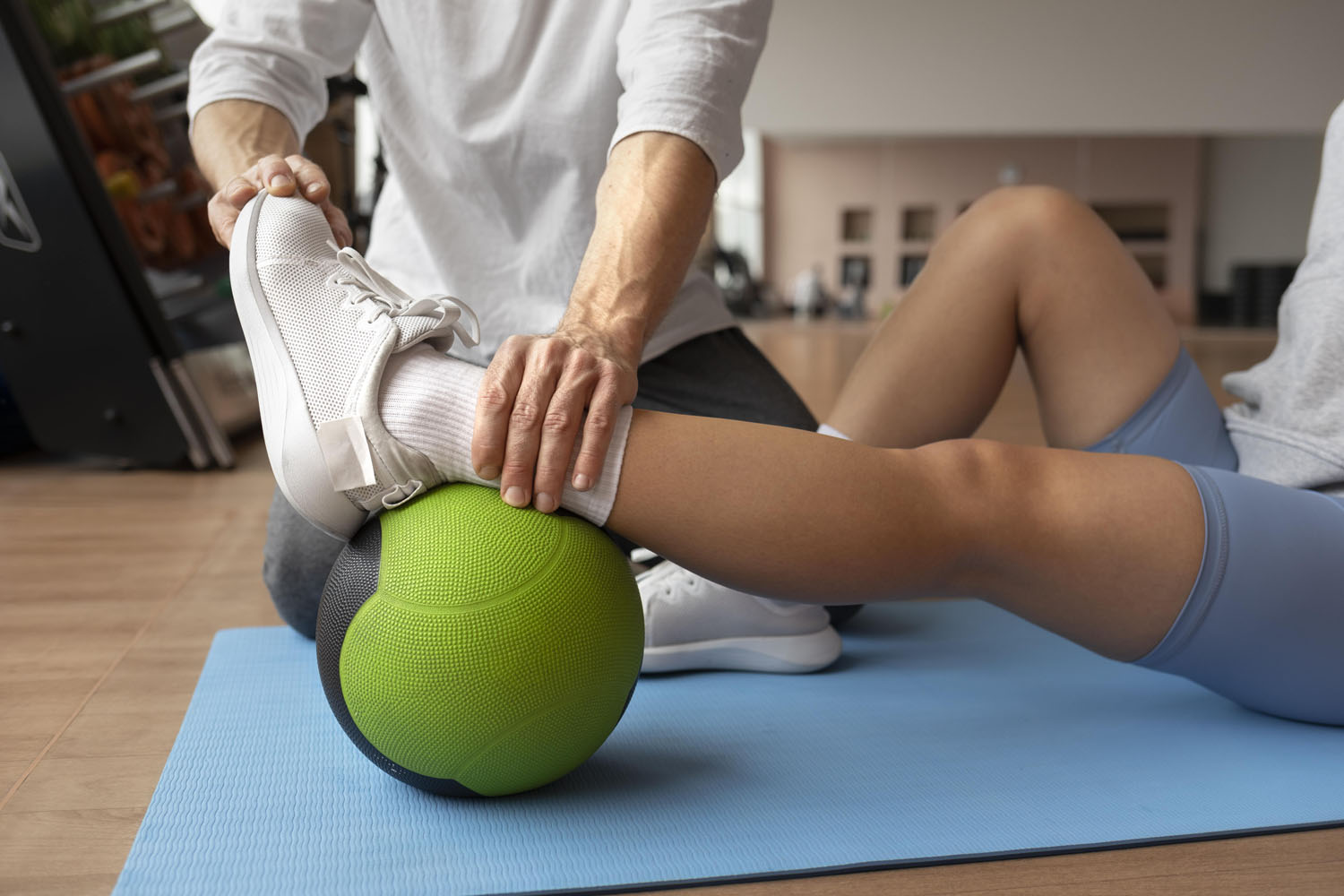
Sports physiotherapy watches how the body moves. It then shapes care to suit each athlete. This method treats the body as one team.
Key support areas include:
- While your muscle balance and control
- Even joint strength and movement
- Also, posture and body awareness
While training loads climb, therapy steers recovery. As a result, the body handles stress better. This approach builds trust between the athlete and the body.
Movement as the Foundation
Good movement fuels safe training. Poor movement invites strain. Sports physiotherapy sharpens movement patterns and builds control.
Through guided care, athletes learn how their bodies work. Therefore, they move with purpose and confidence during sport.
Injury Prevention Through Skilled Care
Injuries whisper before they shout. Tightness, weakness, or loss of control sends early signals. Sports physiotherapy notices these signs and responds.
It helps by:
- Also, fixing weak movement patterns
- While also calming muscle strain
- Even shape safe training habits.
While prevention beats repair, athletes lose less time. Therefore, they stay steady and confident through each season.
Reducing Repeat Injuries
Repeat injuries frustrate athletes. They slow growth and drain focus. Sports physiotherapy breaks this cycle.
Care plans target the true cause, not the pain alone. As a result, the body regains balance and strength. This method lowers the chance of repeat injury.
Recovery That Builds Strength
Recovery shapes future performance. After an injury, the body needs clear guidance. Sports physiotherapy leads this journey with care and structure.
Recovery plans focus on:
- Even restoring full movement.
- Also rebuilding strength.
- Even returning confidence.
While rest supports healing, guided movement rebuilds strength. As power returns, the athlete regains control. This process rebuilds trust in the body.
Safe Return to Sport
Returning too soon risks further harm. Sports physiotherapy sets clear steps for return.
Each step restores a skill:
- Movement
- Strength
- Sport control
Therefore, athletes return ready and confident.
Supporting Young and Growing Athletes
Young athletes face fast body changes. Bones lengthen, muscles stretch, and balance shifts. Sports physiotherapy supports this stage with care.
It helps young athletes:
- Even move with control
- Also, train without strain.
- Keep learn body awareness.
While habits form early, good guidance shapes future health. Therefore, young athletes gain a strong base for long careers.
Building Healthy Habits Early
Young athletes learn through action. Sports physiotherapy teaches safe habits that last. These habits protect joints, support growth, and guide training choices. As a result, young athletes grow with strength and balance.
Strength Training With Purpose
Strength fuels performance and protects the body. However, poor strength plans invite strain. Sports physiotherapy shapes strength with care.
It focuses on:
- While joint support
- Keep muscle balance
- Even controlled power
For each body that differs, care stays personal. Therefore, strength grows without stress.
Balancing Power and Control
Power without control invites injury. Sports physiotherapy balances both. Through guided strength work, athletes gain force and stability. This balance supports safe movement during sport.
The Role of Education in Athletic Health
Knowledge gives athletes control. Sports physiotherapy shares clear guidance that athletes use every day.
Education covers:
- Even body signals
- Also recovery needs
- Even training balance
While athletes understand their bodies, they make wiser choices. Therefore, health remains a priority.
Learning to Read Body Signals
Pain sends warnings. Fatigue signals overload. Sports physiotherapy teaches athletes to read these signs. This skill helps athletes adjust training and avoid injury. Awareness becomes a tool for long-term health.
Mental Strength Through Physical Care
Physical health shapes mental strength. Injury can stir fear and doubt. A physiotherapist in Singapore supports both body and mind.
Care builds:
- Also, confidence in movement
- Keep trust in recovery.
- Even focus during training.
As the body heals, belief returns. Therefore, athletes regain calm and control.
A Partner in Every Athletic Stage
From first training to later years, athletes need steady support. A physiotherapist in Singapore plays a key role in this path. They listen, guide, and adjust care as needs shift.
Their role includes:
- Keep tracking body changes
- While adjusting care plans
- Keep supporting long-term goals.
While performance goals change, health stays constant. Therefore, athletes gain support at every stage.
Adapting Care Across Time
Athletic needs shift with age. Sports physiotherapy adapts care to match these changes. This support keeps the movement strong and safe. As a result, athletes stay active through many life stages.
Building a Future of Active Living
Athletic health stretches beyond competition. Sports physiotherapy teaches care that supports daily movement.
With this support:
- Joints stay free
- Muscles stay strong
- Movement stays easy
A physiotherapist in Singapore helps athletes protect health beyond sport. For health fuels freedom, athletes gain years of strong movement and lasting confidence.
The Power of Consistent Body Care
Athletes rely on their bodies every day. Regular care keeps movement smooth and strength steady. When athletes care for their bodies often, they avoid sudden pain and loss of control. This habit supports safe training and helps the body stay ready for action. Over time, consistent care builds trust between the athlete and their body, making sport feel easier and more enjoyable.
How Regular Care Supports Athletic Growth
- Keeps muscles flexible and strong
- Even protects joints during training.
- Also supports balance and body control.
- Even helps athletes train with confidence.
Final Thought
Athletic health does not stop when competition ends. Strong movement and body care support daily life, work, and play. Sport Physiotherapy in Singapore leads athletes to protect their bodies through every stage of activity. This care builds awareness, balance, and strength that lasts beyond the field. When athletes invest in health, they gain freedom of movement and peace of mind. In the long run, this support turns sport into a lifelong source of strength, not pain.
FAQs
1. Why should athletes care about long-term body health?
Long-term body care helps athletes dodge repeat injuries and pain. It supports steady training, smoother movement, and lasting strength. This care lets athletes enjoy sport for many years without fear or discomfort.
2. Can young athletes benefit from regular body care?
Yes, young athletes gain strong movement habits through regular care. It helps them train safely, handle growth changes, and build balance. These habits guide healthy growth and lower injury risk as they mature.
3. How does guided recovery help after injury?
Guided recovery leads the body to heal with control. It restores movement, rebuilds strength, and lifts confidence. This process eases fear, supports safe return to sport, and cuts the chance of future injuries.