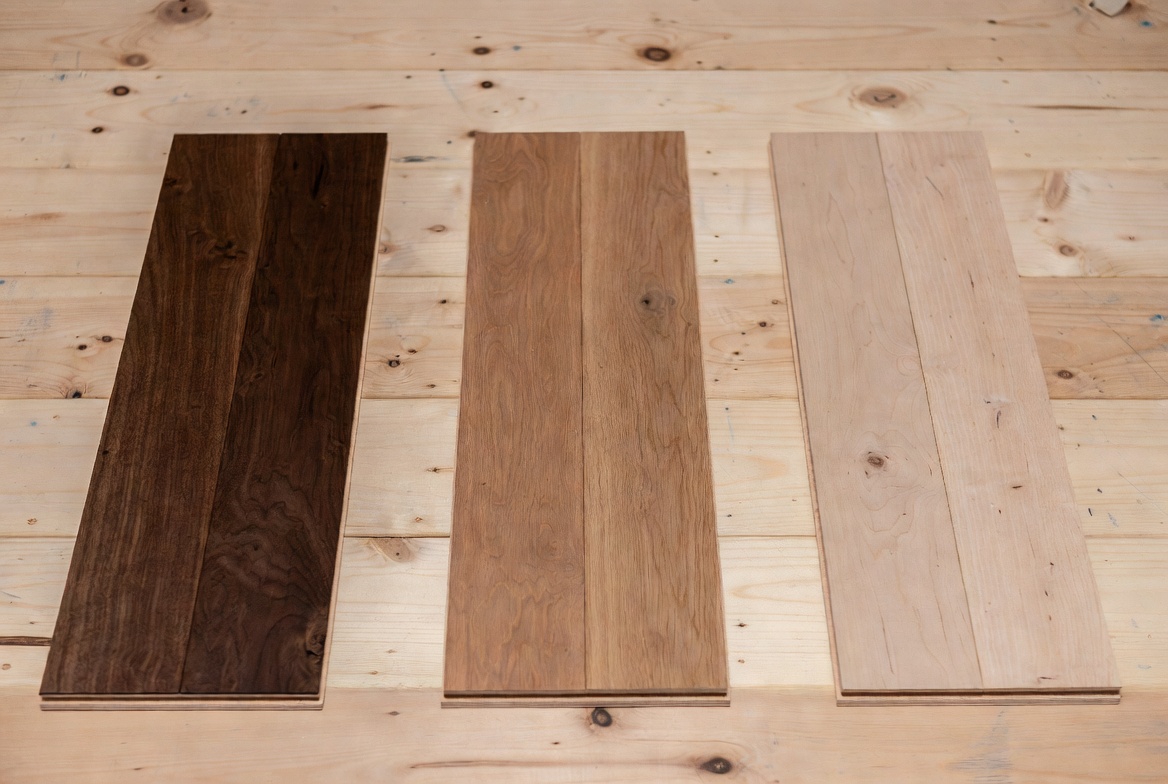
Hardwood floors are timeless, elegant, and durable but the finish you choose makes all the difference in how they look, feel, and perform over time. The right finish not only protects your timber from wear and tear, moisture, and stains but also enhances the natural beauty of your hardwood species, whether it’s Jarrah, Tasmanian Oak, Spotted Gum, Blackbutt, or Cypress feature grade from Explore Hardwood Flooring at Melbourne Timber Supplies.
Below are 8 of the best hardwood floor finishing options each suited to different lifestyles, design aesthetics, and performance needs.
1. Water-Based Polyurethane
Water-based polyurethane is a clear, low-VOC finish that dries quickly and won’t yellow over time. It forms a protective layer on top of the wood that guards against scuffs and stains while keeping the natural colour of hardwood floors bright.
Pros:
-
Fast drying
-
Low odour and low VOC
-
Maintains original timber colour
Cons:
-
Slightly less durable than oil-based in very high traffic areas
2. Oil-Based Polyurethane
Best for: Traditional or high-wear areas
Oil-based finishes soak slightly into the wood and develop a rich, amber tone over time. They offer strong protection against wear, making them ideal for busy homes.
Pros:
-
Exceptional durability
-
Enhances wood grain and colour
-
Longer life before recoating
Cons:
-
Higher VOC and stronger odour
-
Longer drying time
3. Hardwax Oils
Best for: Natural look and easy spot repairs
Hardwax oils penetrate the wood and leave a breathable, soft protective layer. This finish gives floors a natural, matte appearance and makes DIY spot repairs easier without sanding the entire floor.
Pros:
-
Breathable natural finish
-
Comfortable feel underfoot
-
Simple to refresh
Cons:
-
Requires more frequent maintenance than polyurethanes
4. UV-Cured Finishes
Best for: Fast turnaround & maximum durability
Primarily used on pre-finished boards or professional installations, UV-cured finishes are hardened instantly with ultraviolet light, creating one of the most durable surfaces possible.
Pros:
-
Extremely scratch and chemical resistant
-
Floors usable almost immediately
Cons:
-
Limited contractors offer on-site UV curing
5. Penetrating Oils (Traditional)
Best for: Rustic & heritage aesthetics
Natural penetrating oils (like tung or linseed oil) seep deep into the wood fibres. They emphasise rich grain patterns and give a warm, lived-in appearance.
Pros:
-
Very natural look
-
Easy to reapply
Cons:
-
Lower surface protection; needs regular maintenance
6. Matte Sheen
Best for: Hiding scratches and dust
Choosing a matte finish modifies whichever product you use (e.g., water-based or oil). It results in very low gloss levels, giving a modern, understated look that hides imperfections well.
Pros:
-
Great at disguising scratches
-
Subtle, contemporary aesthetic
Cons:
-
Less reflective light energy
7. Satin Sheen
Best for: Balanced aesthetics
A satin finish combines a slight sheen with practical durability. It highlights timber grain but isn’t as reflective as a high gloss making it versatile for most interiors.
Pros:
-
Warm, balanced finish
-
Works across many design styles
Cons:
-
Shows more wear than matte occasionally
8. Gloss Sheen
Best for: Formal and luxury areas
Gloss finishes produce a shiny, reflective surface that maximises light and gives floors a high-end look. It’s ideal in spaces where visual impact matters most.
Pros:
-
Eye-catching and elegant
-
Accentuates wood colour and pattern
Cons:
-
Shows dust and scratches more easily
Tips for Choosing the Best Finish
-
Consider daily traffic: Homes with pets and kids may benefit more from durable poly finishes.
-
Match your style: Matte and hardwax oils suit modern spaces, while gloss or oil-based poly can complement classic interiors.
-
Climate matters: Melbourne’s humidity swings mean breathable finishes (like hardwax oils) or sealing options that resist moisture can prolong floor life.
FAQs About Hardwood Floor Finishes
1. What is the most durable hardwood floor finish?
UV-cured and oil-based polyurethane finishes are among the most durable options available.
2. Can I change the finish on my hardwood floor later?
Yes — with sanding and refinishing, you can switch between finishes (e.g., matte to satin).
3. Which finish is best for homes with pets?
Water-based polyurethane with a satin sheen offers strong protection while hiding scratches well.
4. How often should hardwood floors be refinished?
Depending on wear and finish type, most floors are refinished every 7–10 years.
5. Do finishes affect indoor air quality?
Water-based finishes with low VOCs are better for air quality.
6. Can I apply finish myself?
DIY is possible, but professional application ensures even protection and longer life.
7. What’s the difference between matte and gloss?
Matte has low reflectivity and hides marks; gloss is highly reflective but shows imperfections.
8. Are oil-based finishes safe for homes with children?
They are durable but have higher VOCs during application, so proper ventilation is recommended.
9. Which finish shows fewer scratches?
Matte and satin sheens disguise surface imperfections better than high gloss.
10. Do engineered hardwood floors need a different finish?
Engineered floors already often come pre-finished but can be refinished depending on wear layer thickness.
Whether you’re installing new hardwood floors from Explore Hardwood Flooring at Melbourne Timber Supplies or refinishing your existing ones, choosing the right finish will protect your investment and elevate your interior for years to come.