Introduction
When planning a kitchen renovation, one of the most common – and important – questions homeowners ask is: How much do traditional kitchen cabinets cost today? Cabinets often account for a large portion of the overall kitchen budget, and choosing the right style can significantly impact both functionality and long-term home value.
A traditional kitchen is known for its timeless appeal, warm details, and classic craftsmanship. From raised-panel doors to rich wood finishes, traditional kitchen cabinets remain a popular choice for homeowners who want elegance that never goes out of style. In this guide, we’ll break down current cabinet costs, explain what influences pricing, compare alternatives, and help you decide whether traditional cabinetry is the right investment for your home.
What Defines Traditional Kitchen Cabinets?
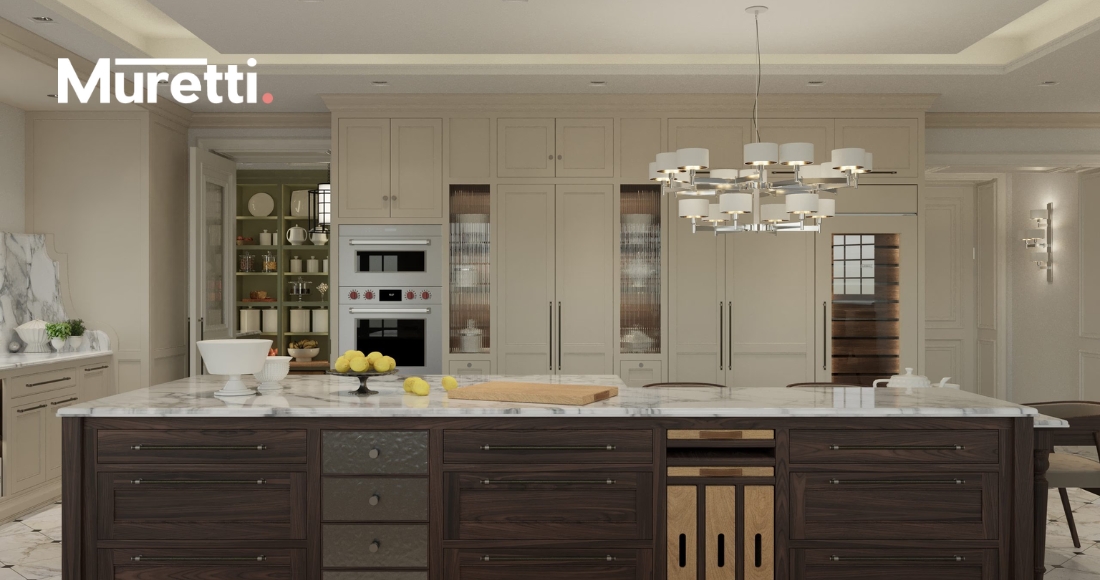
Traditional kitchen cabinets are inspired by classic European and early American design. They focus on detailed craftsmanship rather than sleek minimalism. Common characteristics include raised-panel or recessed-panel doors, decorative molding, ornate hardware, and natural wood finishes such as oak, cherry, maple, or walnut.
Unlike modern or contemporary cabinetry, which prioritizes flat surfaces and handle-less designs, traditional kitchen cabinets emphasize warmth, texture, and detail. This makes them especially appealing in family homes, heritage-style properties, and upscale renovations where timeless design matters more than passing trends.
Because of their detailed construction and premium materials, traditional cabinets generally cost more than basic modern alternatives—but they also deliver long-term value and visual appeal.
Key Factors That Influence Cabinet Costs
Several factors determine the final cost of traditional kitchen cabinets, and understanding them can help you manage your budget more effectively.
Materials: Solid hardwood cabinets cost significantly more than MDF or plywood-based options. Cherry and walnut are typically more expensive than maple or oak.
Construction Quality: Dovetail joints, soft-close hinges, and solid wood drawer boxes add to the cost but also improve longevity.
Finish and Detailing: Hand-applied stains, glazing, distressing, crown molding, and decorative panels all increase labor and material expenses.
Customization Level: The more custom your design—unique sizes, curves, carvings—the higher the price.
Installation Costs: Professional installation typically adds 10–20% to the cabinet budget but ensures proper alignment and long-term performance.
By prioritizing what matters most—such as durability or visual detailing—you can strike the right balance between cost and quality.
Are Traditional Kitchen Cabinets Worth the Cost?
Compared to flat-pack or ultra-modern cabinets, traditional cabinetry may seem expensive. However, it often proves to be the better solution in the long run.
Traditional cabinets are built to last. Their sturdy construction and high-quality materials mean fewer repairs and replacements over time. Additionally, a traditional kitchen tends to age gracefully, avoiding the dated look that trendy styles can develop within a few years.
From a real estate perspective, traditional kitchens appeal to a broad range of buyers. This makes them a smart investment for homeowners planning to sell in the future. Instead of chasing trends, you’re choosing a design that consistently holds value.
How to Save Money Without Sacrificing Style
If you love the look of a traditional kitchen but want to control costs, there are several smart strategies:
-
Choose semi-custom cabinets instead of fully custom designs
-
Use plywood boxes with solid wood doors
-
Limit decorative molding to focal areas
-
Opt for standard cabinet sizes where possible
-
Mix premium finishes with simpler interior construction
These approaches allow you to enjoy the elegance of traditional kitchen cabinets without overspending. A skilled kitchen designer can help you achieve a high-end look while staying within budget.
Conclusion
The cost of traditional kitchen cabinets today depends on materials, craftsmanship, and customization—but one thing is clear: they offer lasting value, durability, and timeless beauty. While the upfront investment may be higher than modern or budget-friendly alternatives, the long-term benefits often outweigh the cost.
If you’re planning a renovation and want a kitchen that feels warm, classic, and refined, a traditional kitchen is a solution worth considering. Now is the perfect time to explore your options, compare pricing, and work with professionals who can bring your vision to life.
Ready to transform your kitchen? Start planning today and invest in traditional kitchen cabinets that will stand the test of time.
FAQs
1. Are traditional kitchen cabinets more expensive than modern cabinets?
Yes, traditional cabinets usually cost more due to detailed craftsmanship, premium materials, and decorative elements. However, they also offer better longevity and resale value.
2. What is the most affordable wood for traditional kitchen cabinets?
Oak and maple are generally more affordable compared to cherry or walnut while still offering durability and a classic appearance.
3. How long do traditional kitchen cabinets last?
With proper care, high-quality traditional cabinets can last 20–40 years or more.
4. Can traditional kitchen cabinets work in small kitchens?
Absolutely. With smart storage solutions and lighter finishes, traditional cabinets can enhance both functionality and visual space in smaller kitchens.
5. Are traditional kitchen cabinets a good investment?
Yes. Their timeless design, durability, and broad buyer appeal make them a strong long-term investment for homeowners.