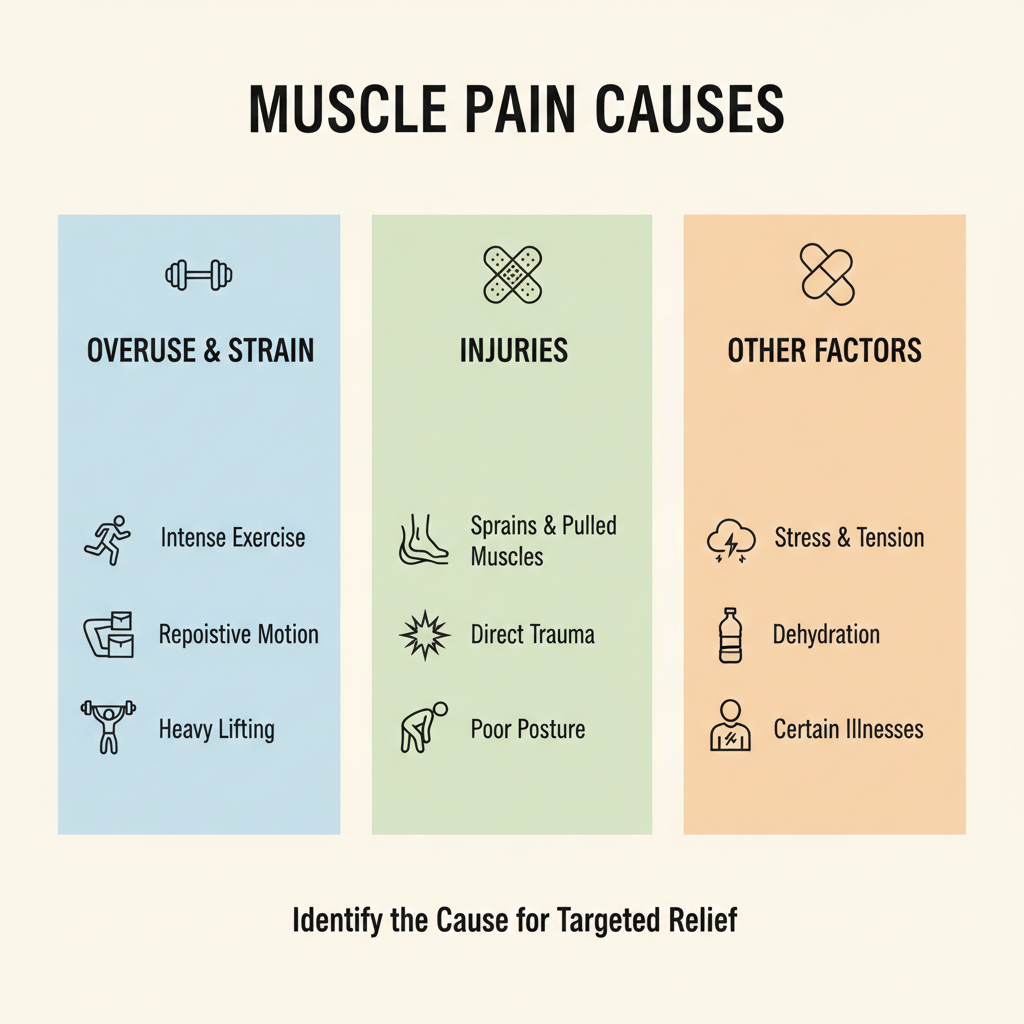
Muscle pain is something most people experience at least once in their lives. It can start suddenly after an accident or grow slowly because of daily habits. People in Australia, the USA, and the UK often deal with muscle pain due to busy routines, desk jobs, sports, and physical work. Understanding why muscle pain happens helps you manage it better and avoid future problems.
Muscle pain can feel mild, sharp, burning, or deep. Sometimes it lasts a few hours, but in other cases, it turns into chronic muscle pain that affects daily life. The most common causes include injury, muscle strain, and overuse. Each cause affects the body in a different way and needs proper care.
In this blog, we explain muscle pain causes in simple words, how they develop, and what you can do to manage them safely.
What Is Muscle Pain?
Muscle pain, also called myalgia, happens when muscle fibers become irritated or damaged. It can affect one area, such as the neck or back, or spread across the body. Pain may come with stiffness, weakness, or swelling.
Muscle pain does not always mean a serious problem, but ignoring it can make things worse. Early care helps muscles heal faster and reduces long-term discomfort.
Muscle Pain Caused by Injury
How Injuries Lead to Muscle Pain
Injuries are one of the most direct muscle pain causes. A sudden fall, sports accident, or impact can damage muscle fibers. These injuries may cause tears, bruising, or inflammation.
Common injury-related muscle pain includes:
-
Sports injuries
-
Road or workplace accidents
-
Slips and falls
-
Sudden twisting movements
When muscles get injured, blood flow increases to the area. This causes swelling and pain as the body starts healing.
Symptoms of Muscle Injury
Muscle pain from injury often feels sharp or intense. You may notice:
-
Swelling or redness
-
Limited movement
-
Muscle weakness
-
Pain that worsens with use
Early rest and proper care help reduce recovery time and prevent further damage.
Muscle Strain: A Common Cause of Pain
What Is a Muscle Strain?
A muscle strain happens when muscles stretch too far or tear slightly. This usually occurs during lifting, bending, or sudden movement without proper warm-up.
Muscle strain is common in the:
-
Lower back
-
Neck
-
Shoulders
-
Legs
Poor posture and weak core muscles also increase the risk of strain.
Why Muscle Strain Hurts
Strained muscles develop tiny tears in the fibers. These tears cause inflammation, stiffness, and pain. Even mild strain can limit movement if not treated early.
Many people ignore small strains, but repeated strain can lead to chronic muscle pain over time.
Overuse: When Muscles Don’t Get Enough Rest
How Overuse Causes Muscle Pain
Overuse happens when muscles repeat the same movement without enough rest. This is common in athletes, gym users, and people with repetitive jobs.
Examples include:
-
Long hours of typing
-
Daily heavy lifting
-
Repeated sports training
-
Standing or walking for long periods
Muscles need time to recover. Without rest, they become tired and inflamed.
Signs of Overuse Muscle Pain
Overuse pain builds slowly and often feels dull or aching. Symptoms include:
-
Muscle stiffness
-
Soreness that lasts days
-
Reduced strength
-
Pain that returns after activity
Overuse is a major reason people develop long-lasting muscle issues.
Chronic Muscle Pain: When Pain Becomes Long-Term
Chronic muscle pain lasts for weeks or months instead of days. It often develops when acute pain does not heal properly. Poor posture, stress, repeated strain, and untreated injuries all play a role.
People with chronic muscle pain may feel tired, frustrated, and limited in daily activities. Early treatment and lifestyle changes help prevent pain from becoming permanent.
Treatment Options for Muscle Pain
Rest and Gentle Movement
Rest helps injured or strained muscles heal. At the same time, gentle stretching improves blood flow and reduces stiffness.
Heat and Cold Therapy
-
Cold packs reduce swelling after injury
-
Heat relaxes tight muscles and improves flexibility
Using the right method at the right time speeds recovery.
Muscle Relaxants and Pain Relief
In some cases, doctors may suggest medication to relax tight muscles. Soma 350mg is one example often discussed for short-term muscle discomfort related to injury or strain.
Some people search online for information about 500 mg soma, but it is important to understand that muscle relaxants should only be used under medical guidance. These medicines work by calming muscle spasms, but they are not meant for long-term use.
Trusted online platforms like Buyrxsafe focus on sharing educational information about muscle pain management and safety awareness for users in regions such as Canada and Australia.
Always consult a healthcare professional before using any muscle pain medication.
Lifestyle Habits That Reduce Muscle Pain
Improve Posture
Poor posture places extra stress on muscles. Sitting straight, adjusting screen height, and using ergonomic chairs reduce muscle strain.
Stay Active
Regular low-impact exercise keeps muscles strong and flexible. Walking, swimming, and yoga support muscle health without overuse.
Manage Stress
Stress tightens muscles, especially in the neck and shoulders. Deep breathing, stretching, and relaxation techniques help release tension.
Preventing Muscle Pain in Daily Life
You can lower your risk of muscle pain by:
-
Warming up before exercise
-
Taking breaks during repetitive tasks
-
Lifting objects correctly
-
Drinking enough water
-
Sleeping on a supportive mattress
Small daily habits make a big difference over time.
When to See a Doctor
Seek medical help if muscle pain:
-
Lasts more than two weeks
-
Gets worse instead of better
-
Comes with fever or swelling
-
Limits daily movement
Early diagnosis helps avoid long-term problems.
Muscle Pain Awareness Across Countries
People in Australia, the USA, and the UK face similar muscle pain challenges due to modern lifestyles. Desk jobs, screen time, and physical stress affect muscle health worldwide. Access to clear, honest health information helps individuals make safer decisions about treatment and prevention.
Educational platforms like Buyrxsafe aim to support informed choices by focusing on awareness, safety, and responsible information sharing.
Conclusion
Muscle pain causes often come down to injury, strain, and overuse. While mild pain may heal on its own, ignoring symptoms can lead to chronic muscle pain that affects quality of life. Understanding the root cause helps you choose the right care method, from rest and lifestyle changes to professional advice.
Whether you live in Australia, the USA, or the UK, protecting your muscles starts with awareness. Listen to your body, act early, and seek guidance when needed. Healthy muscles support an active, pain-free life.