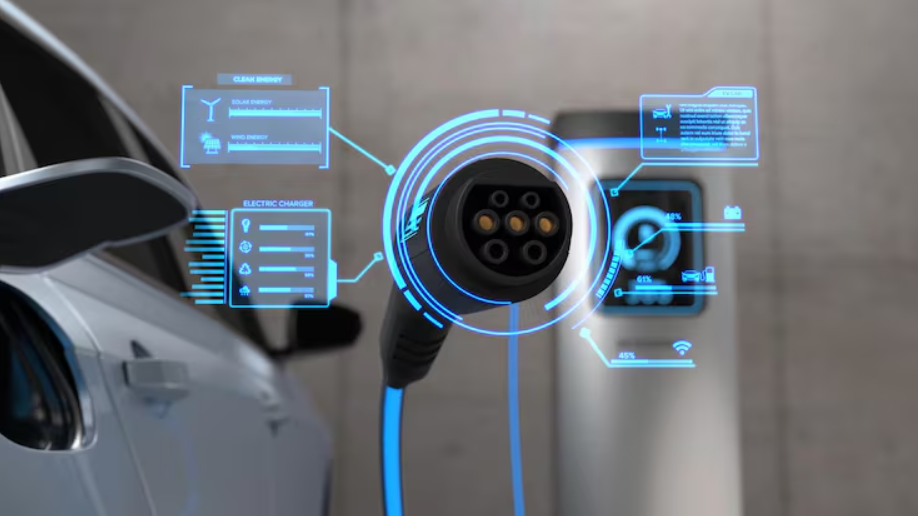
An EV charger on campus that just does not work causes far more issues than one expects. Students miss lectures. Employees are late for work. Visitors are frustrated.
As the use of electric vehicles becomes a norm in campuses, charging stations cannot be an afterthought. They form the services that individuals must rely on a daily basis. Still, most campuses consider charging stations as fixed assets. After installation, nothing else much needs to be done.
As a result, faults, delays, and even safety concerns arise. Consequently, maintenance costs escalate while trust is undermined. This handbook will show you how EV charger maintenance can ensure that your university charging points remain reliable, safe, and operational. You will discover common pitfalls and why proper planning is essential.
Why Reliable Campus Charging Is Now Essential
Electric vehicles are becoming common across campuses. Students, staff, and fleet vehicles all rely on charging access.
Because of this, charging failure affects more than transport. It affects daily routines.
When chargers fail, people lose time. They also lose confidence. Over time, they stop relying on campus charging at all.
Reliable charging supports wider goals too.
- Lower transport emissions
- Strong sustainability targets
- Positive campus experience
All of these depend on chargers that work every time.
What EV Charger Maintenance Really Means
Many people think maintenance only happens after something breaks. In reality, it starts long before that.
EV charger maintenance includes all actions that keep chargers safe, available, and working as expected. It combines routine checks with smart planning.
Key Parts of Maintenance
Physical condition
Cables, plugs, screens, and housings wear out with daily use. Early signs of damage often appear small but grow fast.
Electrical safety
Loose parts, water leaks, or heat build-up increase risk. Regular checks reduce faults and protect users.
Software health
Chargers rely on software to control power, access, and reporting. Updates fix errors and improve speed.
Network connection
Chargers need stable links to monitoring systems. Without this, faults stay hidden until users complain.
Together, these areas keep charging reliably.
Common Problems Seen on Campus Chargers
Campus chargers face unique pressure. They see heavy use and mixed users.
High Daily Usage
Campuses rarely sleep. Chargers run early in the morning and late at night. This constant use speeds up wear.
Outdoor Exposure
Rain, dust, and heat affect outdoor units. Small seal failures allow moisture inside.
Missed Updates
Outdated software leads to slow screens, failed payments, or connection drops. Users feel this first.
Load Stress
Busy periods overload circuits. Without smart control, chargers shut down or trip systems.
These issues are common but preventable.
Why EV Charger Maintenance Planning Matters
Fixing chargers only when they break costs more and takes longer. Planning avoids this pattern.
EV charger maintenance planning sets clear routines. It defines what gets checked, when, and by whom.
What a Clear Plan Includes
- Inspection schedules based on usage
- Simple fault reporting routes
- Regular software update checks
- Clear repair response times
- Spare parts access
With planning, teams act early rather than late.
How Maintenance Improves EV Charging Solutions
Modern EV charging solutions rely on data. Maintenance should too.
Smart systems monitor charger health in real time. They show faults before users notice.
Instead of reacting to emails or calls, teams see issues on dashboards. This saves time and prevents repeat problems.
Data also helps future decisions.
- Which chargers need upgrades
- Where demand is growing
- When expansion is needed
Maintenance becomes proactive, not reactive.
How User Behaviour Affects EV Charger Maintenance
EV chargers are shared assets. Because of this, user behaviour plays a quiet but important role in maintenance needs.
On campuses, users have different levels of experience. Some are first-time EV drivers. Others charge daily. This mix affects how chargers are treated.
Small actions create wear over time. Cables are dropped instead of placed back. Connectors are pulled at angles. Screens are tapped too hard. None of this is intentional. Yet the impact adds up.
Clear signs help reduce damage. Simple instructions near chargers guide correct use. Over time, this lowers faults and repair calls. Maintenance teams also learn from behaviour. If one charger fails often, usage patterns may explain why. This insight helps improve both layout and care routines.
In-House Teams and Specialist Support
Many campuses ask who should handle charger care.
Campus Teams
They know the site well. They respond quickly. However, they may not have deep charger knowledge.
Specialist Providers
They bring experience, tools, and access to updates. They also follow safety standards closely.
Most campuses use both. Basic checks stay in-house. Technical work goes to specialists.
This balance keeps systems stable.
Safety and Compliance Come First
EV chargers are electrical systems. Safety must stay central.
Regular maintenance supports:
- Electrical safety rules
- Insurance cover
- Duty of care to users
It also reduces risk during peak use. Well-maintained chargers are less likely to overheat or fail suddenly.
When users see clean, working chargers, trust builds naturally.
Extending Charger Lifespan Through Simple Care
Replacing chargers is expensive. Maintenance delays that cost.
Simple actions help a lot.
- Clean vents and screens
- Replace worn cables early
- Tighten loose fittings
- Update software on time
These steps protect the original investment. They also reduce sudden failures.
Over time, lifespan increases by years, not months.
Signs Campus Maintenance Needs Improvement
Some warning signs appear again and again.
- Frequent “out of service” signs
- Repeated user complaints
- Slow charging speeds
- Manual fault tracking
- No clear service plan
If these sound familiar, maintenance planning needs attention.
How Maintenance Supports Sustainability Goals
Sustainability targets depend on reliable systems.
When chargers fail, drivers return to petrol or diesel options. That undermines progress.
Well-maintained chargers support:
- Lower emissions
- Smarter transport choices
- Accurate reporting
Maintenance becomes part of the sustainability strategy, not just facilities work.
Building Confidence Through Consistency
People notice consistency more than perfection.
When chargers work day after day, users stop worrying. Charging becomes routine.
This trust improves adoption. More people choose electric vehicles when charging feels dependable.
Maintenance plays a quiet but powerful role here.
Planning for Growth With Long-Term Charger Care
Campus EV demand rarely stays still. Each year brings more electric vehicles.
Because of this, maintenance must look ahead. It should not only support today’s chargers but also future growth.
As networks expand, complexity increases. More chargers mean more cables, more data, and more load pressure. Without planning, small issues multiply.
Long-term care focuses on:
- Scalable maintenance schedules
- Load planning for peak use
- Consistent software management
- Clear asset records
This approach avoids sudden strain on systems. It also protects budgets by spreading upgrades over time.
When maintenance planning aligns with growth, charging stays reliable even as demand rises.
Conclusion
Reliable campus charging depends on steady EV charger maintenance, not rushed repairs. As campuses expand their EV networks, chargers must work like essential services. Planned care prevents faults, improves safety, and protects budgets. It also strengthens EV charging solutions by using data rather than guesswork.
Over time, this approach builds trust and supports sustainability goals. Campuses that invest in maintenance early avoid disruption later. Structured support models, including those used by Advanced Micro Control, show how thoughtful maintenance keeps charging simple, reliable, and ready for everyday use.
Frequently Asked Questions
How often should campus EV chargers be checked?
Most campuses benefit from quarterly checks. High-use chargers may need more frequent inspections.
What is EV charger maintenance planning?
It is a planned approach that schedules checks, updates, and repairs. It reduces downtime and surprise costs.
Can poor maintenance affect charging speed?
Yes. Worn parts, outdated software, and load issues can slow charging over time.
Do all EV chargers need software updates?
Most modern chargers do. Updates improve stability, security, and performance.