Brisbane continues to grow each year. New homes, apartments, roads, and community spaces are added to meet rising demand. At the same time, many suburbs face a quieter issue that often goes unnoticed. Unwanted cars remain parked in driveways, yards, streets, and unused land for long periods. These vehicles take up space that could serve a better purpose. Understanding how removing unwanted cars helps free up urban space in Brisbane explains why this issue matters to property owners, councils, and the wider community.
This article explores how unwanted vehicles affect urban areas, why they remain unused, and how their removal supports better land use across Brisbane.
What Is Considered an Unwanted Car
An unwanted car is a vehicle that no longer serves a practical purpose for its owner. These cars may still sit on private or public land but remain unused for months or years.
Common examples include:
- Cars that no longer run
- Vehicles with expired registration
- Accident damaged cars that were never repaired
- Older cars with repair costs higher than their working condition
- Vehicles kept due to delayed decisions
Once a car stops being used, it begins to occupy space without providing transport or utility.
Why Unwanted Cars Accumulate in Brisbane
Brisbane has a high number of detached homes, rental properties, and shared driveways. This layout makes it easier for unused vehicles to stay parked without immediate pressure to move them.
Several factors contribute to this issue:
Delayed Repair Decisions
Many owners plan to repair a car but delay the process. Over time, parts degrade and repair becomes less realistic.
Sentimental Attachment
Some cars remain parked due to emotional value. Owners often believe they will restore the vehicle one day.
Cost and Time Barriers
Busy schedules and rising repair costs cause owners to postpone action.
Misunderstanding of Rules
Some believe that keeping a car on private property carries no impact or responsibility.
As months pass, these cars shift from temporary storage to long-term space use.
How Unwanted Cars Affect Urban Space
Urban space in Brisbane is limited. Every driveway, verge, and unused block plays a role in how neighbourhoods function.
Loss of Functional Land
An unused car can occupy the same space as:
- A second parking spot
- A garden or outdoor area
- Storage or utility space
- Shared access paths
When many properties hold unused vehicles, the combined space loss becomes noticeable.
Street Congestion
Unwanted cars parked along streets reduce parking for active vehicles. This affects visitors, neighbours, and emergency access.
Visual Impact on Neighbourhoods
Idle cars with flat tyres, faded paint, or missing parts affect the appearance of streets. This can influence how areas feel and function.
Impact on Housing Density and Development
Brisbane continues to build upward and outward. As land becomes more valuable, unused space becomes harder to justify.
Unwanted vehicles:
- Limit driveway use in multi-unit homes
- Reduce shared parking efficiency
- Block access for construction or upgrades
- Delay property improvements
In some cases, development plans pause until unused vehicles are removed.
Council Management and Urban Planning
Local councils aim to manage space for safety, movement, and community use. Unwanted cars present challenges for planning teams.
Monitoring and Complaints
Councils often act after receiving complaints from neighbours. These reports usually relate to space obstruction or visual concerns.
Notices and Compliance
Vehicles left unattended may attract notices requiring removal or proper storage. This process takes time and resources.
Resource Drain
Managing unwanted vehicles consumes council staff time that could support other community needs.
Removing these vehicles early reduces long-term administrative load.
Environmental Pressure in Dense Areas
Urban space is not only about movement and housing. It also relates to environmental health.
Unwanted cars contribute to:
- Oil and fluid seepage into soil
- Rust flakes affecting ground condition
- Tyre breakdown releasing chemicals
- Drain blockage near kerbs
In compact suburbs, these effects spread beyond one property.
Public Safety and Shared Access
Urban areas rely on clear access routes. Unwanted cars can restrict this access.
Examples include:
- Narrowed streets affecting emergency vehicles
- Blocked footpaths near properties
- Reduced visibility at corners
Clearing unused vehicles improves safety for drivers, pedestrians, and cyclists.
How Removing Unwanted Cars Changes Space Use
Once an unwanted car is removed, space becomes available for immediate and future use.
Private Property Gains
Owners often rediscover space they forgot existed. This space can serve daily needs or future plans.
Shared Urban Improvement
When several properties remove unused vehicles, streets appear more open and functional.
Support for Growth
Free space supports upgrades, renovations, and better land planning across suburbs.
Where Vehicle Removal Fits Into the Process
When a vehicle no longer serves transport needs, removal becomes a practical step. In Brisbane, options exist that allow owners to clear space without long delays.
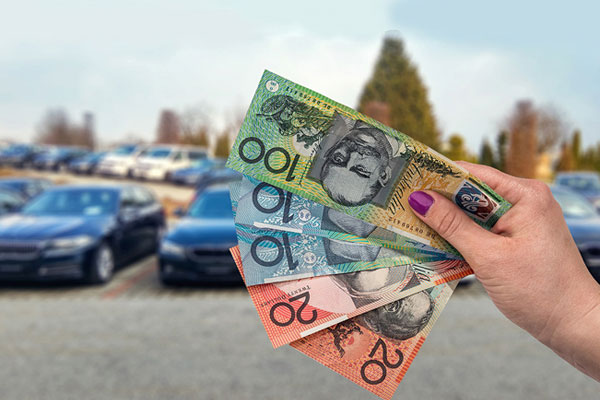
For residents seeking cash for unwanted cars brisbane, services listed at help remove vehicles that no longer contribute to daily use. This approach fits naturally into urban space management by clearing land and allowing vehicles to move into proper dismantling and material recovery systems. It aligns with council goals and supports better space use without extending the problem.
What Happens After the Vehicle Leaves
Once removed, the vehicle follows a structured path:
- Fluids are drained safely
- Reusable parts are separated
- Metals are sorted for reuse
- Remaining materials are processed responsibly
This ensures that the vehicle no longer occupies urban space while reducing waste.
Long-Term Urban Benefits
Removing unwanted cars supports Brisbane in several lasting ways:
-
Improved use of residential land
-
Better parking flow
-
Reduced council complaints
-
Cleaner streets and yards
-
Stronger neighbourhood function
These outcomes grow stronger as more residents act early.
Acting Before Space Becomes a Problem
Many owners do not realise how long a car has been sitting unused until space becomes limited. Acting earlier allows more control and avoids pressure from council notices or neighbour concerns.
Urban growth depends on practical decisions made at the household level. Removing unused vehicles plays a quiet but important role in how Brisbane continues to develop.
Final Thoughts
Unwanted cars may seem harmless when parked out of the way, but their impact grows with time. They occupy valuable space, affect urban flow, and limit how land is used across Brisbane. Removing these vehicles helps return space to active use, supports planning efforts, and improves daily living for residents. Understanding this connection helps owners make decisions that benefit both their property and the wider city.