In today’s aesthetic world, more people are choosing treatments that enhance their appearance without making them look “done.” The focus has shifted from dramatic transformations to subtle refinements that preserve individuality. Facial balancing boca raton has become one of the most trusted approaches to achieving this goal because it enhances harmony and proportion while maintaining your natural identity. Instead of changing how you look, it refines what is already there. In this article, you will learn how facial balancing preserves your natural look and why it is considered one of the most sophisticated non-surgical aesthetic treatments available.
Understanding the Concept of Natural Beauty
Natural beauty in aesthetics means looking refreshed, balanced, and youthful without obvious signs of aesthetic work. It is about enhancing features rather than altering them. A natural result does not draw attention to a specific area of the face but instead creates overall harmony. When treatments are subtle, people often notice that you look well-rested or healthier, not that you have had something done. This approach respects your facial identity and highlights your unique structure.
What Is Facial Balancing?
Facial balancing is a holistic, non-surgical technique that evaluates the entire face rather than focusing on one feature. It uses dermal fillers and neuromodulators such as Botox to improve proportions, symmetry, and structure. Instead of simply adding volume to one area, facial balancing enhances the relationship between all facial features. This full-face perspective is what allows the results to appear refined and natural.
How Facial Balancing Enhances Without Overdoing?
The secret to preserving a natural look lies in conservative treatment. Specialists use small amounts of product placed strategically to support facial structure. Rather than filling deeply or excessively, they focus on gentle enhancement. Treatments are often done gradually, allowing the face to adjust and ensuring the final result never feels heavy or artificial. This careful approach prevents overfilling and maintains softness and realism.
Importance of Facial Proportions and Structure
Every face has natural proportions that contribute to its beauty. Facial balancing considers the upper, middle, and lower thirds of the face, as well as symmetry between the left and right sides. Even minor adjustments in these areas can significantly improve overall harmony. By respecting natural anatomy, facial balancing enhances the face without disturbing its unique character.
Techniques Used to Maintain a Natural Look
Dermal fillers are used to restore subtle volume, define contours, and support facial structure. Botox and other neuromodulators relax overactive muscles that can create asymmetry or harsh expressions. The key lies in precise, layered injection techniques that allow smooth blending with natural tissues. These methods ensure softness and fluidity rather than stiffness or heaviness.
Customization for Every Face
No two faces are alike, which is why facial balancing is always customized. Treatment plans are based on facial shape, bone structure, skin quality, age, and personal goals. This personalization is what keeps results authentic. By working with your natural features rather than against them, specialists ensure enhancements look like a better version of you, not someone else.
Key Areas Treated in Facial Balancing
Common areas include the cheeks and jawline to improve structure and definition. The chin and lips are refined for better proportion, not size. Temples and under-eye areas are addressed to create smooth transitions and a refreshed appearance. When these areas are treated together, they create balance throughout the face.
Why Facial Balancing Looks More Natural Than Traditional Fillers?
Traditional filler treatments often focus on isolated areas, which can sometimes lead to imbalance or overcorrection. Facial balancing considers the entire face, ensuring harmony among features. This reduces the risk of exaggerated volume and creates a softer, more youthful result. The face appears naturally enhanced rather than noticeably altered.
Results You Can Expect
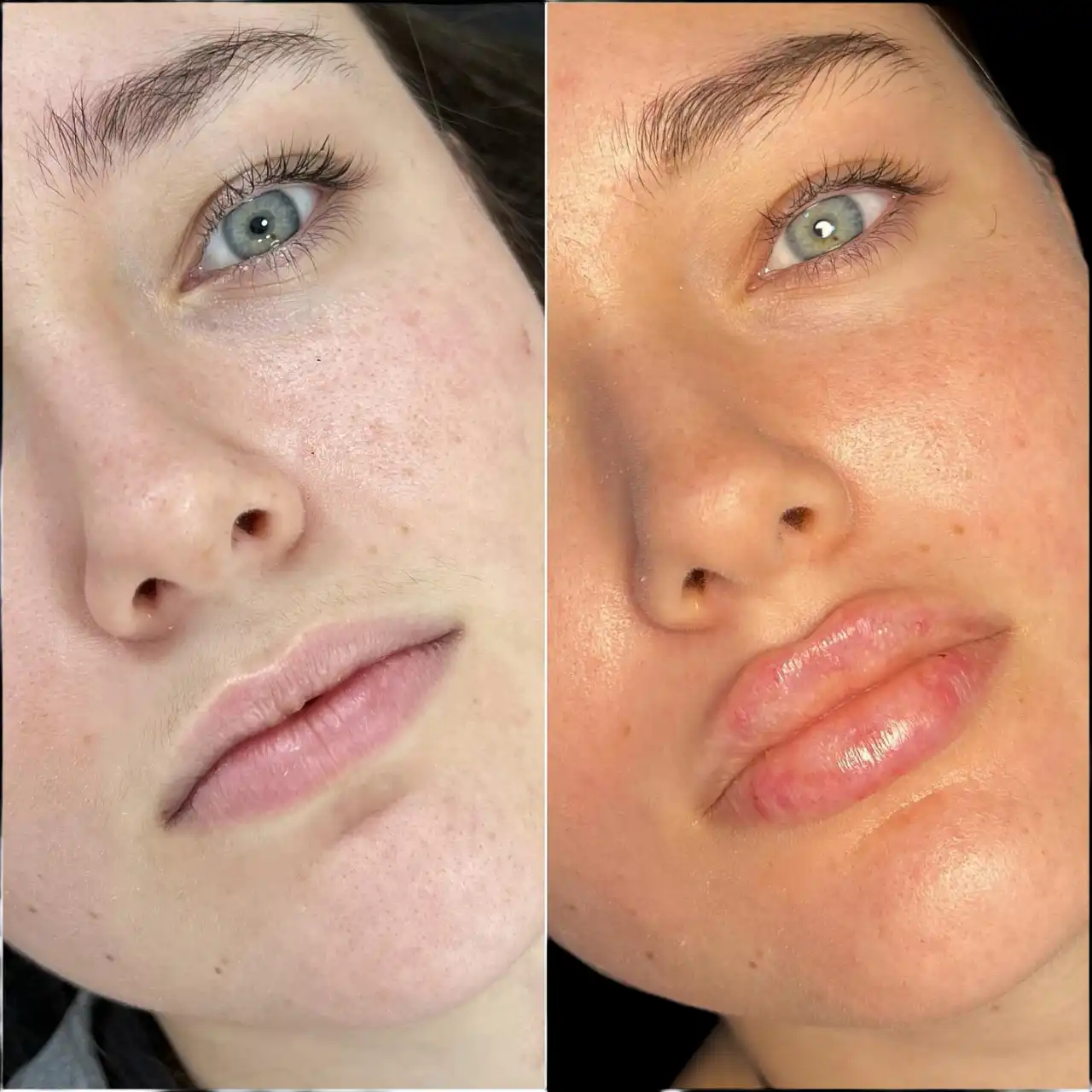
The outcome of facial balancing is subtle and refined. Most people notice that they look fresher, more symmetrical, and more confident. The changes are gentle and settle naturally over time. You will still look like yourself, only more balanced and rejuvenated.
Recovery and Longevity
Facial balancing involves minimal downtime. Mild swelling or bruising may occur but usually resolves quickly. Fillers typically last 12 to 18 months, while Botox lasts 3 to 4 months. Regular maintenance helps preserve long-term balance and consistency in results.
Who Is the Ideal Candidate?
Facial balancing is ideal for individuals who want enhancement, not transformation. It suits people with mild asymmetry, early signs of aging, or those seeking a polished, natural appearance. Anyone who values subtle beauty and authenticity can benefit from this approach.
Conclusion
Facial balancing is one of the most effective ways to preserve your natural look while enhancing facial harmony and proportion. By focusing on subtle refinement, personalized care, and conservative techniques, it creates results that are elegant, youthful, and authentic. It is not about changing who you are, but about revealing the best version of you with balance, confidence, and sophistication.
FAQs
How long do facial balancing results last?
Results vary by treatment type. Dermal fillers usually last 12–18 months, while Botox or neuromodulators last about 3–4 months. Regular maintenance helps keep your results consistent and balanced.
Is facial balancing painful?
Most patients experience minimal discomfort. Numbing creams and fine needles are used to make the procedure comfortable, and any mild tenderness usually fades quickly.
Is there any downtime after treatment?
Downtime is very minimal. You may have slight swelling, redness, or bruising, but these effects typically resolve within a few days.
How soon will I see results?
Results are often visible immediately. Outcomes become more noticeable once swelling subsides, typically within 1 to 2 weeks.
How many sessions are needed?
Many patients achieve great results in a single session, but some prefer a gradual approach with multiple sessions for subtle refinement.