I’ve stood on quite a few construction sites over the last decade, and if there’s one thing that consistently makes a project manager break into a cold sweat, it’s the word “leak.”
We aren’t just talking about a dripping faucet here. In an industrial setting, a burst line or a corroded joint can mean millions in lost revenue, environmental fines, and frankly, a massive blow to your reputation. For years, the industry settled for heavy, rigid materials that were a nightmare to install and even worse to maintain.
But honestly? Things have changed. HDPE pipes (High-Density Polyethylene) have shifted from being an alternative to being the absolute standard for anyone who actually cares about the long game.
The Reality of Modern Infrastructure
I remember a project a few years back where the client insisted on using traditional metal piping for a chemical transport line because “that’s how we’ve always done it.” Within eighteen months, the acidity had eaten through the joints. It was a mess.
That’s the beauty of high-density polyethylene pipes. They are fundamentally chemically inert. Whether you are moving harsh industrial fluids or municipal water, these pipes don’t react. They don’t rust, they don’t scale, and they certainly don’t let you down when the pressure builds up.
Why professionals are moving away from traditional materials:
- Corrosion Resistance: Unlike iron or steel, HDPE doesn’t rust or rot.
- Lightweight Build: It’s roughly 1/8th the density of steel, which saves a fortune on crane rentals and labor.
- Seismic Resilience: These pipes can stretch and bend without breaking during ground shifts.
- Cost-Effective: Lower maintenance means a much better ROI over a 50-year period.
Cracking the Code: SDR, PN16, and PE100
If you’ve ever looked at a HDPE pipe price list 2026, you probably noticed a bunch of codes that look like a math exam. Let’s break that down. Most of what we use now are PE100 pipes. This refers to the strength of the resin.
When I look at HDPE pipe SDR 11 technical specs, I’m looking at the ratio between the diameter and the wall thickness. For heavy-duty industrial work, a PN16 pressure rating is usually where you want to be. It gives you that peace of mind that even during a pressure surge, the walls won’t fail.
“I’ve found that using an SDR rating that matches your specific pump pressure is the difference between a system that lasts fifty years and one that lasts five.”
The “Magic” of the Joint
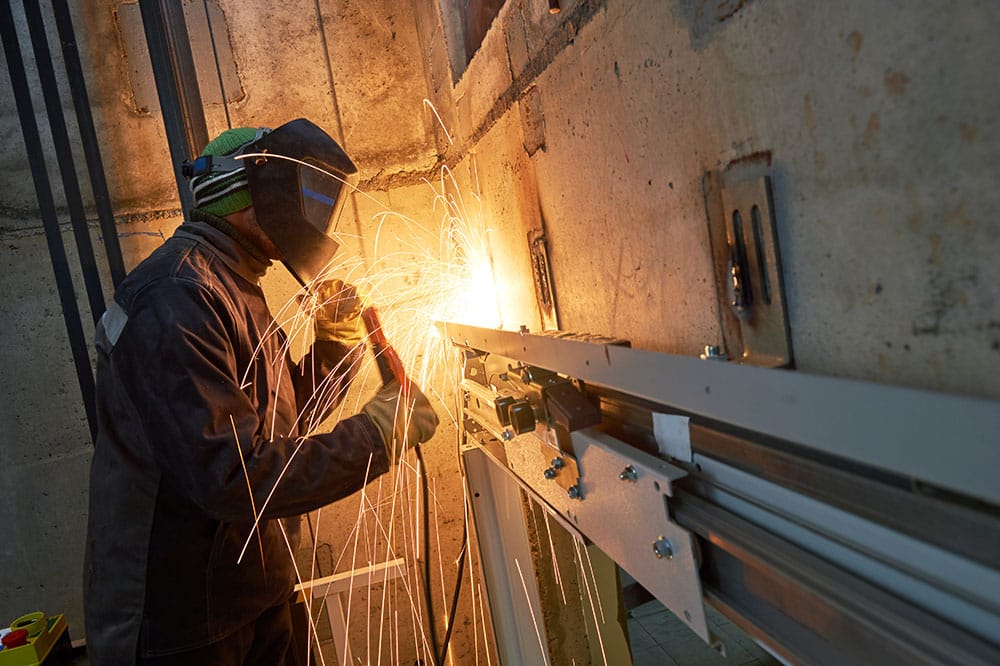
The biggest fail point in any plumbing or industrial line is the connection. Threads leak. Gaskets perish. But with HDPE, we use butt-fusion welding. I’ve watched this process hundreds of times, and it still fascinates me. You heat the ends and literally melt the two pipes into one.
The Step-by-Step Fusion Advantage:
- Preparation: The pipe ends are cleaned and “faced” to be perfectly square.
- Heating: A regulated heating plate brings the ends to the exact melting point.
- Joining: The ends are pressed together under controlled pressure.
- Cooling: As it cools, the molecular chains bond together.
There is no “joint” anymore; it becomes one continuous piece of plastic. This creates a leak-proof seal that is actually stronger than the pipe itself. If you try to break it, the pipe will tear before the weld gives way. In my experience, this is the single biggest reason to make the switch.
Health, Safety, and the Lead-Free Promise
We have to talk about water quality. It’s something I’m quite passionate about. For a long time, the industry didn’t talk enough about what was leaching into our drinking water from old pipes.
Using non-toxic HDPE pipes for drinking water isn’t just a “nice to have” anymore; it’s a moral obligation for builders. Our products are strictly lead-free. We use 100% food-grade imported resin because, honestly, why would you risk it?
When you use a premium HDPE pipe supplier like Adamjee DuraBuilt, you aren’t just buying plastic; you’re buying a guarantee that the water at the end of the tap is as clean as it was at the source.
Why the “Cheapest” Option Usually Costs More
I get it, budgets are tight. When you see wholesale HDPE pipe rates, it’s tempting to go with the lowest bidder. But I’ve seen the “budget” pipes. They often lack proper UV stabilization.
If those pipes sit out in the sun on a job site for a month, they start to degrade before they’re even in the ground. Our UV resistant HDPE drain pipes are built for the local climate. They handle the heat without becoming brittle.
A few things to check before you buy:
- Does the manufacturer use virgin PE100 resin?
- Is the pipe marked with a clear SDR rating and pressure capacity?
- Does the supplier have a 40-year legacy of project success?
- Are they certified for lead-free water transport?
Conclusion: Building for the Next Generation
At the end of the day, we aren’t just laying pipes; we are building the veins of our cities and factories. I’ve seen enough “temporary fixes” turn into permanent disasters to know that quality is the only way forward.
Choosing a legacy like ours means you’re opting for a “one-time solution.” Whether you need the structural integrity of Schedule 40 Pipes for your plumbing or are ready to buy heavy-duty HDPE pipes that won’t crack under pressure, literally or figuratively then it’s time to stop settling for average.
Let’s build something that stays dry, stays safe, and stays intact long after we’re gone. Trust the engineering, trust the material, and let’s get to work.
FAQs
How long do HDPE pipes actually last underground?
Honestly, if they are installed correctly using proper butt-fusion, you’re looking at a 50 to 100-year lifespan. They are designed to outlast the buildings they serve.
Can I use HDPE for hot water lines?
HDPE is fantastic for many things, but it’s generally rated for cold or chilled water. For hot water, you’d want to look at our PPRC range which is specifically built for those high temperatures.
Is it hard to install compared to PVC?
It’s different, not necessarily harder. While PVC uses solvent cement, HDPE requires a welding machine. However, because the pipes are flexible and come in longer coils, you actually need fewer joints overall.
Does the sun damage these pipes?
Standard plastic can get brittle, but ours are UV-stabilized. They can handle being exposed on a site, though we always recommend covering them if they’ll be sitting out for months.
Are they really lead-free?
Absolutely. We use virgin, food-grade materials. We don’t use recycled scrap that could contain contaminants, ensuring your water remains 100% safe.