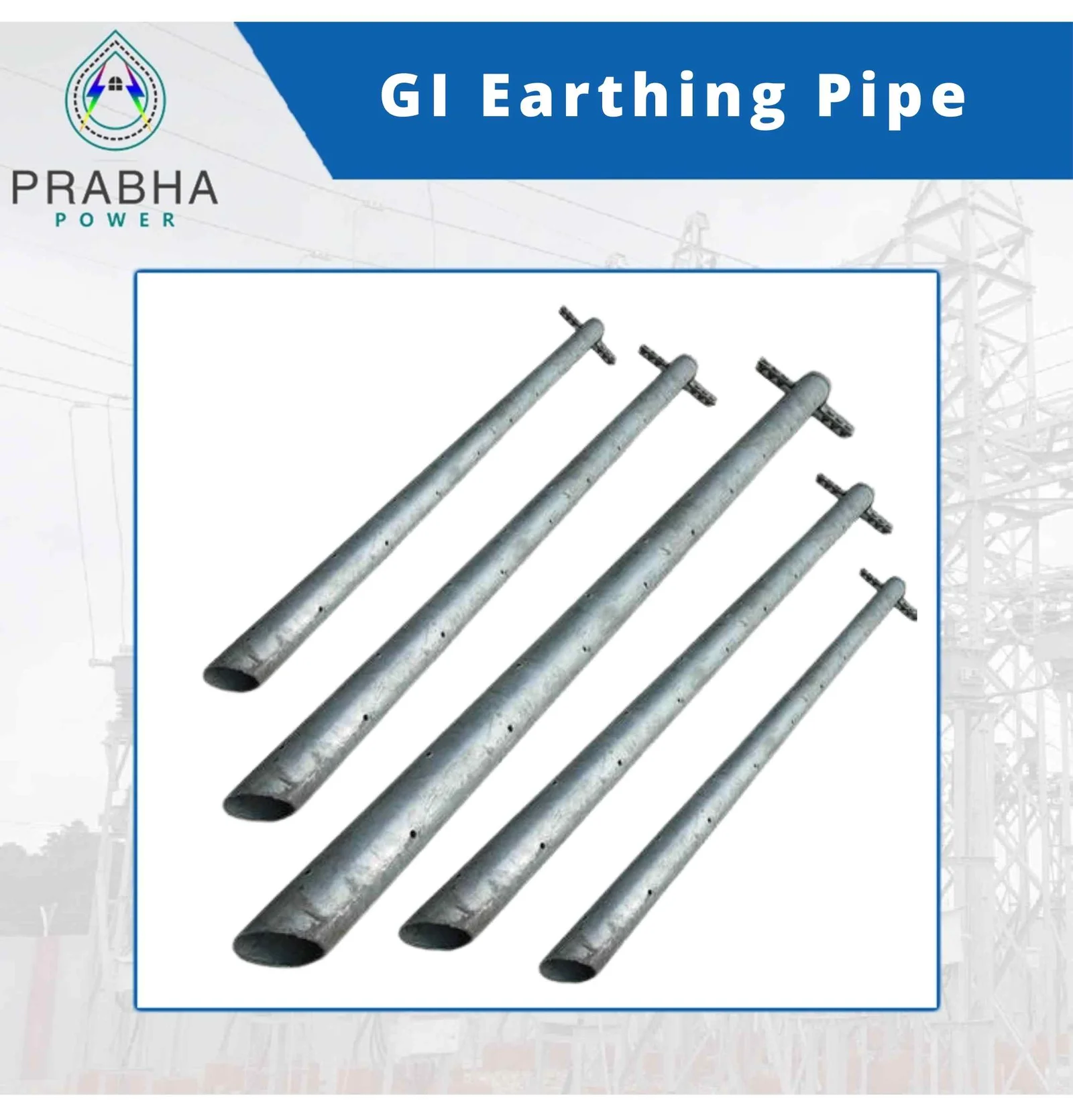
Electrical safety is one of the most critical aspects of modern infrastructure. From homes and offices to industrial plants, proper grounding ensures that electrical systems operate safely and efficiently. One key component in achieving this safety is the GI Earthng Pipe. Used widely across residential, commercial, and industrial applications, GI earthing pipes provide a reliable and durable solution for grounding electrical systems.
In this article, we will explore the role of GI earthing pipes, how they work, their benefits, installation process, maintenance tips, and why they are essential for electrical safety. By the end, you will have a clear understanding of why GI earthing pipes are considered a dependable choice for grounding solutions.
What is a GI Earthing Pipe?
A GI Earthing Pipe refers to a pipe made from galvanized iron that is used to safely channel excess electrical current into the ground. The term “GI” stands for Galvanized Iron, which is iron coated with a protective layer of zinc. This coating makes the pipe highly resistant to rust and corrosion, increasing its durability and lifespan.
The main purpose of an earthing pipe is to provide a low-resistance path for electrical faults, such as short circuits or lightning strikes, ensuring that the excess current is safely dissipated into the earth. Without proper grounding, electrical appliances, equipment, and even humans could be at risk of electric shocks or damage.
Why Proper Earthing is Crucial
Before diving deeper into GI earthing pipes, it is important to understand why grounding is necessary. Proper earthing provides several critical benefits:
- Safety for People: Grounding ensures that any fault current is directed safely to the ground, preventing electric shocks.
- Protection for Electrical Appliances: Uncontrolled electrical surges can damage expensive equipment. Earthing minimizes this risk.
- Fire Prevention: Fault currents can cause sparks or overheating, leading to fires. Proper earthing reduces this danger.
- System Stability: It maintains the stability of voltage levels in electrical systems, preventing damage due to fluctuations.
A GI earthing pipe ensures that these benefits are achieved efficiently, making it a trusted choice for electrical installations.
Key Features of GI Earthing Pipes
GI earthing pipes are preferred in many applications because of their unique properties:
- Corrosion Resistance: The galvanization process protects the pipe from rust, even in moist or acidic soil conditions.
- Durability: GI pipes can last for decades without significant degradation, reducing the need for frequent replacements.
- Easy Maintenance: With minimal corrosion, maintenance becomes straightforward, requiring only periodic inspection.
- Cost-Effective: Compared to other materials like copper, GI pipes are more economical while still providing excellent performance.
- Strong Mechanical Strength: GI pipes are sturdy and can withstand harsh environmental conditions.
These features make GI earthing pipes suitable for both urban and rural installations, from small residential setups to large industrial plants.
How GI Earthing Pipe Works
The functioning of a GI earthing pipe is simple yet effective. The pipe is driven into the ground, and an earth wire is connected to it. In the event of an electrical fault, the current flows through the earth wire into the GI pipe and finally disperses into the soil.
The efficiency of the earthing system depends on the resistance of the soil and the surface area of the pipe in contact with it. In most cases, water or special conductive compounds are added around the pipe to improve conductivity and reduce soil resistance, ensuring safe and reliable grounding.
Applications of GI Earthing Pipes
GI earthing pipes are versatile and widely used across different sectors. Some common applications include:
- Residential Buildings: Protects homes from electrical surges, ensuring the safety of family members and electrical appliances.
- Commercial Buildings: Essential for office buildings, shopping complexes, and other commercial spaces to maintain safety and prevent equipment damage.
- Industrial Facilities: Heavy machinery and high-power equipment require reliable earthing to prevent accidents and operational downtime.
- Telecommunication Towers: Ensures protection against lightning strikes and high-voltage surges.
- Renewable Energy Installations: Solar and wind power systems use earthing pipes to maintain system stability and safety.
These examples show that GI earthing pipes are not just a safety measure but an essential component of any modern electrical system.
Step-by-Step Guide to Installing a GI Earthing Pipe
Installing a GI earthing pipe requires careful planning and adherence to safety standards. Here is a simple step-by-step guide:
Step 1: Selecting the Location
Choose a spot that is away from building foundations and underground utilities. The soil should ideally be moist, as it improves conductivity.
Step 2: Digging the Hole
Drill or dig a vertical hole to the required depth, usually around 2.5 to 3 meters, depending on local regulations and soil conductivity.
Step 3: Installing the Pipe
Insert the GI earthing pipe into the hole. Ensure it is vertically aligned and stable.
Step 4: Connecting the Earth Wire
Attach a suitable copper or aluminum wire to the pipe using a clamp or connector. This wire will link the electrical system to the earthing pipe.
Step 5: Backfilling
Fill the hole with soil, ensuring proper compaction. Conductive materials or bentonite clay can be added around the pipe to enhance conductivity.
Step 6: Testing
Use an earth resistance tester to verify that the system’s resistance is within the recommended range, typically below 5 ohms for most applications.
Step 7: Regular Maintenance
Check for corrosion, loose connections, or changes in soil conditions periodically to maintain optimal performance.
Maintenance Tips for GI Earthing Pipes
Even though GI pipes are durable, regular maintenance ensures long-lasting performance. Here are some practical tips:
- Periodic Inspection: Check the pipe for signs of corrosion or damage at least once a year.
- Testing Earth Resistance: Conduct resistance tests to ensure it remains below safe limits.
- Tightening Connections: Loose connections can reduce effectiveness, so ensure clamps and wires are secure.
- Moisture Management: Keep the surrounding soil moist or use conductive compounds to maintain low resistance.
- Replacement if Needed: In extreme cases of corrosion, replace the pipe promptly to avoid safety risks.
Regular maintenance can extend the life of a GI earthing pipe and ensure continued safety for the electrical system.
Advantages of Using GI Earthing Pipe
Using a GI earthing pipe offers several advantages over other grounding methods:
- Longevity: Resistant to rust and corrosion, lasting for decades.
- Reliability: Provides a stable and low-resistance path for fault currents.
- Cost Savings: Economical material choice compared to copper or stainless steel alternatives.
- Wide Availability: Easily available in local markets, making it convenient for installation.
- Versatility: Suitable for residential, commercial, and industrial applications.
These benefits make GI earthing pipes the preferred choice for electricians, contractors, and engineers worldwide.
Common Challenges and Solutions
While GI earthing pipes are highly effective, some challenges may arise:
- High Soil Resistance: In dry or rocky soil, resistance may be high. Solution: Add conductive compounds or water to improve conductivity.
- Corrosion at Joints: Even galvanized pipes can corrode at connection points. Solution: Use corrosion-resistant clamps and coatings.
- Improper Installation: Incorrect depth or loose connections can reduce effectiveness. Solution: Follow installation standards and conduct proper testing.
- Soil Movement: Over time, soil shifting can affect the pipe’s stability. Solution: Ensure proper backfilling and compaction.
Addressing these issues ensures the earthing system remains safe and effective for years.
Standards and Regulations
GI earthing pipes must comply with national and international standards to ensure safety. Key standards include:
- IS 3043 (India): Provides guidelines for earthing practices in electrical installations.
- IEC 62305 (International): Focuses on lightning protection and grounding.
- NEC (National Electrical Code, USA): Defines earthing requirements for electrical safety.
Following these standards ensures that your GI earthing system meets safety requirements and performs optimally.
Conclusion
A best GI Earthing Pipe is a vital component of any electrical system, offering safe, reliable, and cost-effective grounding solutions. Its durability, corrosion resistance, and versatility make it suitable for residential, commercial, and industrial applications. Proper installation, regular maintenance, and adherence to safety standards ensure maximum effectiveness, protecting people, equipment, and property from electrical hazards.
For those looking to implement robust earthing solutions, choosing high-quality GI earthing pipes and working with experienced providers is essential. Companies like Prabha Power specialize in offering premium GI earthing pipes and professional guidance, helping customers establish safe and dependable grounding systems. Investing in a proper earthing system today can prevent costly accidents and provide long-term peace of mind.