Maintaining the correct tyre inflation is essential for safe, comfortable, and efficient driving. In recent years, many vehicle owners have started opting for nitrogen instead of regular air to inflate their tyres. This growing trend has sparked curiosity about the benefits of nitrogen in tyres and how it influences car tyre pressure. Understanding the science behind nitrogen inflation can help drivers decide whether it is the right choice for their vehicles.
This article explores how nitrogen works in tyres, its impact on pressure stability, and why it is increasingly preferred for modern cars.

Understanding Car Tyre Pressure
Car tyre pressure refers to the amount of air maintained inside the tyre, measured in PSI (pounds per square inch). Correct pressure ensures optimal contact between the tyre and the road, which directly affects braking, steering, fuel efficiency, and tyre life.
Underinflated tyres can cause excessive wear, reduced mileage, and overheating, while overinflated tyres may lead to poor grip and uncomfortable rides. Regular pressure checks are essential, but the type of gas used inside the tyre also plays an important role in maintaining consistent pressure.
What Is Nitrogen Tyre Inflation?
Normal air contains about 78 percent nitrogen, 21 percent oxygen, and small amounts of moisture and other gases. Nitrogen tyre inflation uses high-purity nitrogen instead of regular compressed air.
The key difference lies in purity and moisture content. Nitrogen used for tyre inflation is dry and contains minimal oxygen and water vapor. This difference leads to several performance advantages and explains many benefits of nitrogen in tyres.
How Nitrogen Affects Car Tyre Pressure Stability
One of the most significant benefits of nitrogen in tyres is improved pressure retention. Nitrogen molecules are larger than oxygen molecules, which means they escape through the tyre rubber more slowly. As a result, car tyre pressure remains more stable over time.
With regular air, tyres tend to lose pressure gradually, requiring frequent top-ups. Nitrogen-filled tyres maintain their pressure longer, reducing the need for constant monitoring and inflation.
Reduced Pressure Fluctuations Due to Temperature
Temperature changes have a direct impact on car tyre pressure. As tyres heat up during driving, the air inside expands. Regular air contains moisture, which expands more with temperature changes, causing pressure fluctuations.
Nitrogen is dry and less sensitive to temperature variations. This means tyres inflated with nitrogen experience more consistent pressure levels during long drives or changing weather conditions. This stability improves driving comfort and handling.
Improved Tyre Life and Even Wear
Consistent car tyre pressure plays a crucial role in extending tyre life. Uneven pressure causes irregular tread wear, reducing the tyre’s usable lifespan.
Among the major benefits of nitrogen in tyres is a more uniform pressure distribution, which helps tyres wear evenly. Even wear not only extends tyre life but also maintains balanced handling and braking performance over time.
Enhanced Fuel Efficiency
Maintaining the correct car tyre pressure directly affects fuel consumption. Underinflated tyres increase rolling resistance, forcing the engine to work harder and consume more fuel.
Since nitrogen helps maintain stable pressure for longer periods, it indirectly contributes to better fuel efficiency. While the difference may be gradual, over long-term use, this benefit becomes noticeable, especially for daily commuters and long-distance drivers.
Improved Safety on the Road
Safety is one of the most important benefits of nitrogen in tyres. Sudden pressure loss or inconsistent inflation can compromise vehicle control, especially at high speeds.
Nitrogen-filled tyres reduce the risk of sudden deflation and overheating. Stable car tyre pressure improves braking response, steering accuracy, and overall vehicle stability, particularly during highway driving.
Reduced Oxidation Inside the Tyre
Oxygen and moisture present in regular air can cause oxidation inside the tyre and on the wheel rim. Over time, this internal oxidation weakens the tyre structure and may lead to corrosion of the wheel.
Nitrogen is an inert gas and does not support oxidation. One of the lesser-known but important benefits of nitrogen in tyres is the reduced internal degradation of tyre materials, which contributes to better durability and performance.
Is Nitrogen Better Than Regular Air?
When comparing nitrogen to regular air, it’s important to note that both can safely inflate tyres if maintained properly. However, nitrogen offers added convenience and consistency.
Drivers who frequently check and adjust car tyre pressure may not notice dramatic differences. However, for those who prefer longer intervals between pressure checks, nitrogen provides a clear advantage.
The benefits of nitrogen in tyres are more noticeable in high-performance vehicles, luxury cars, fleet vehicles, and cars that travel long distances regularly.
Common Myths About Nitrogen in Tyres
There are several misconceptions surrounding nitrogen inflation. One common myth is that nitrogen eliminates the need for pressure checks. While nitrogen slows pressure loss, regular monitoring of car tyre pressure is still necessary for safety.
Another myth is that nitrogen dramatically improves performance overnight. In reality, the advantages are gradual and become apparent over long-term use.
Understanding these points helps drivers set realistic expectations while enjoying the benefits of nitrogen in tyres.
Who Should Consider Nitrogen Tyre Inflation?
Nitrogen tyre inflation is suitable for a wide range of vehicles, including sedans, SUVs, and premium cars. It is especially beneficial for:
- Drivers who travel long distances frequently
- Vehicles exposed to extreme temperature changes
- Owners who want consistent car tyre pressure with minimal maintenance
- Fleet operators seeking extended tyre life
For city drivers with short daily commutes, the difference may be subtle, but the long-term benefits still apply.
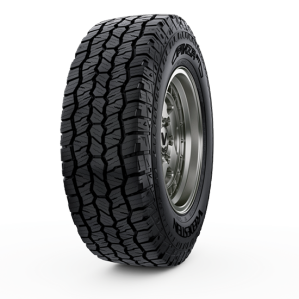
Maintaining Tyres Inflated with Nitrogen
Even with nitrogen inflation, proper tyre care remains essential. Regular inspections, alignment checks, and tread monitoring are still required to ensure safety and performance.
Maintaining correct car tyre pressure according to manufacturer recommendations ensures you get the maximum benefits of nitrogen in tyres.
Conclusion
Understanding the benefits of nitrogen in tyres highlights why many drivers are making the switch from regular air. From improved pressure stability and reduced temperature-related fluctuations to enhanced safety and longer tyre life, nitrogen offers clear advantages for maintaining optimal car tyre pressure.
While it is not a replacement for regular tyre maintenance, nitrogen inflation adds an extra layer of consistency and reliability. For drivers seeking advanced tyre performance, durability, and confidence on the road, Vredestein Tyres continues to deliver high-quality tyre solutions designed to perform efficiently under varying pressure and driving conditions.