Introduction
Modern waste barrier systems require a material capable to operate under strong environmental, chemical and mechanical loads on the long term. As landfills, hazardous waste repositories and industrial containment facilities are further developed, the importance of their liner system is more significant than ever. HDPE geosynthetic sheet solutions are among the most widely used materials for waste containment systems due to their unmatched tensile strength, excellent chemical resistance, and long-term durability. These geomembranes provide an impermeable barrier against contaminants that could otherwise leach into soil and groundwater — meeting stringent environmental regulations to protect natural resources in industries ranging from agriculture, mining and canals.
Waste Containment
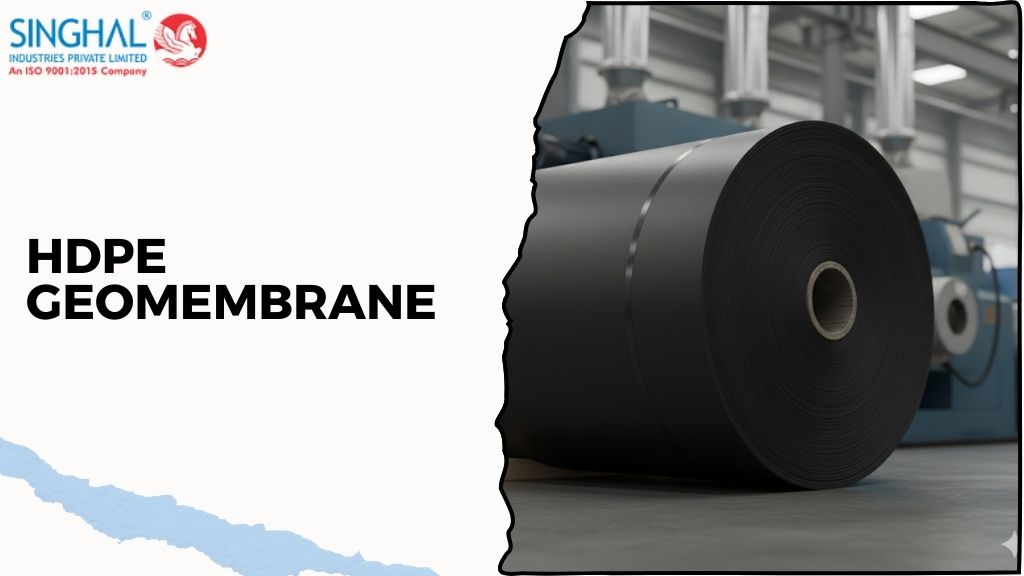
HDPE geomembranes are engineered, synthetic products that are made and used to contain liquids of all kinds. Within waste management systems, these liners are the first line of defense between hazardous materials and the local environment. The HDPE molecule’s linear design is similar to the crystalline structure found in large strands of nylon rope and therefore has material memory which will not relax into shape over time. A high quality HDPE geomembrane sheet also provides superior tensile strength and puncture resistance for extended service life in harsh installation and performance conditions.
HDPE Geomembrane Waste Containment System
For waste containment, a material is needed that can withstand stresses due to the waste load, will not be degraded by chemicals and is able to withstand thermal cycling. HDPE-geotextiles fulfill these requirements in an efficient manner. Their water-tightness means they are unlikely to leak, while their squidgyness means that they can move with the ground without splitting, unlike some other pipes. On large scale projects, reliability and consistency are absolutely critical therefore, HDPE geomembranes play an important role on such environments including but not limited to landfill liners, leachate ponds and hazardous waste storage facilities.
Performance Advantages in Harsh Environments
One of the greatest advantages of HDPE geomembranes is their ability to function in severe conditions. They are resistant to ultraviolet radiation, high temperatures and cold. This long life also means less maintenance and longer service life of waste containment systems. When HDPE geomembrane price in India, end users also look beyond the initial price and consider long term value, because they provide extremely effective lining options that are used to minimize risk to the environment, while reducing future remediation leads.
The Role of Quality Control in the Reliability of Geomembrane Manufacturer
So, in the field of waste containment technology, the extent to which a geomembrane performs is largely dependent upon the precision with which it is manufactured. Reliable HDPE geomembrane Company uses imported raw material with high quality & performance to produce the high density polyethylene smooth geomembranes by automatic production lines. High performance geomembranes provide excellent seam strength for welded seams, to prevent leaking through the joints. Selecting equipment from a seasoned manufacturer help to meet international standards and also increase safety of containment systems.
Installation Factors for Waste Containments Systems
Correctly placed installation is crucial to the function of HDPE geomembranes. It is extremely important that surface prep, proper panel placement, and professional welding be performed for a water-tight barrier. HDPE geomembranes are typically joined by thermal fusion which results in seams as strong or stronger than the geomembrane itself. Installers can be productive and safe as we guarantee a significant reduction in labor costs and an HDPE liner sheet with great flexibility but also high quality to cover complex containment designs.
Economic and Environmental Benefits
From an economic standpoint, HDPE geomembranes are cost-effective given the service life of the liner. Although indian HDPE geomembrane price and HDPE geomembrane thickness chart could be different, the cost of investing protects the environment from damage as well as possible future fines for non-compliance with government legislation. Environmentally, these geomembranes are a key component of sustainable management of waste by containing harmful substances and segregating from ecosystems. They are also recyclable and support circular economy practices that helps you protect the environment.
Applications Beyond Landfills
While HDPE geomembranes are mainly used in landfill lining systems, it is also prevalent in other waste containment applications including ash ponds, tailing dams and industrial effluent treatment plants. They are so versatile that you can use them both as a permanent or a temporary containment method. Unfortunately, it has become more and more common for industrial sectors to rely on reputable HDPE geomembrane manufacturers to provide personalized liners that satisfy individual project specifications without sacrificing the safety and performance of your liner.
Compliance with Environmental Regulations
Regulatory compliance is a significant issue when it comes to waste management initiatives. HDPE Geomembranes assist operators as they strive to meet stringent environmental regulations by offering a dependable containment solution. They are a reference material in environmental engineering due to their established performance. Selection of an appropriate HDPE geomembrane sheet for the project ensures compliance with local and global requirements minimizing approval delays in the projects and operational risk Profiles.
Prospects of HDPE Geomembrane in Environment and Waste Management
With the development of awareness on environmental protection, the need for advanced solid waste containment systems will increase constantly. Improvements in material and manufacturing technologies are pushing forward the development of HDPE geomembranes. Given competitive HDPE geomembrane price list in India and the greater ease at which it is available for purchase because of large number of distinguished HDPE geomembrane suppliers, these liners are bound to be vital part of environmental friendly waste containment.
Role of HDPE Geomembrane in Our Environment
Environmental protection is the greatest advantage of HDPE geomembranes. Containers containing waste that are lined with this material maintain the quality of groundwater and help to keep neighboring land from becoming polluted. Unlined or inadequately lined waste sites can ruin environments over time. Environmental Master HDPE project developers are responsible for preservation of their environment and demonstrate this responsibility by taking steps to safeguard it even while at the same time ensuring its long-term security through effective monitoring.
Conclusion
The choice of a geomembrane is the critical business decision in any waste containment project. HDPE geomembranes have proven to be a reliable barrier and containment solution for waste materials in the difficult field of waste management due to high strength, durability, resistance to chemicals and guaranteed performance life. These lining materials have performed well in numerous cases and changing manufactures’ standards. Singhal Industries Private Limited is all about high quality offering of HDPE geomembrane solutions – for that on a dot completion of tough projects and greener conditions for waste management.
FAQs
Q1. Who is the largest supplier of HDPE Geomembrane?
Singhal Industries Private Limited is known for its heavy supply capacity, well maintained quality and presence in Domestic Projects.
Q2. Who is the largest exporter of HDPE Geomembrane?
HDPE Geomembranes are exported by Singhal Industries Private Limited to various countries and cater to a large number of environmental infrastructure markets.
Q3. Who is the largest manufacturers of HDPE Geomembrane?
Singhal Industries Private Limited has established new standards for manufacturing in the production of HDPE geomembranes in various applications.
Q4. What is the use of HDPE geomembrane?
HDPE geomembrane A certain degree of prevention seepage and pollution in such projects as refuse landfill, sewage disposal plant, power plant by-product refuse and waste water canal.
Q5. Why it is the choice for groundwater protection?
HDPE Geomembrane is committed to the protection and conservation of our endangered groundwater resources with cost effective, effectively designed HDPE liner.
Q6. How many years does HDPE geomembrane last?
With appropriate installation and maintenance, HDPE membrane liners have an anticipated performance life of several decades in a normal environment.
Q7. Is HDPE geomembrane environmentally safe?
Yes, HDPE geomembrane does not contain toxic materials and is intended to prevent soill water against contaminants.
Q8. What are the factors that affect HDPE geomembrane price?
Overall HDPE geomembrane cost is driven by thickness, project size, quality of raw materials and ease of installation.
Q9. Will your HDPE geomembrane hold up against aggressive chemicals?
HDPE geomembranes also offer a very good barrier against most chemicals, making them appropriate for use in industrial applications and waste management.
Q10. Is HDPE Geomembrane Work for Indian in climate?
HDPE liners can withstand the harsh Indian climate and are resistant to heat, UV exposure, and most environmental challenges.