If you’re planning the Pangarchulla Peak Trek, the first and most important question you’ll ask yourself is simple: When should I go? I’ve learned—sometimes the hard way—that timing can make or break a Himalayan trek. Pangarchulla is no exception. This peak isn’t just about reaching the summit; it’s about snow conditions, weather windows, trail safety, and how much effort you’re willing to put in for that view from the top.
I’ll keep this straight, practical, and honest—no fluff, no over-selling. Just real insight that helps you decide the best time to go for Pangarchulla Peak Trek based on what you actually want from the experience.
Understanding Pangarchulla Peak’s Seasonal Personality
Pangarchulla Peak sits at around 15,069 ft in Uttarakhand’s Garhwal Himalayas. Because of its altitude and terrain, it behaves very differently across seasons. Snowfall, temperature swings, and daylight hours all play a role.
This is not a trek you can attempt year-round. Unlike valley treks, Pangarchulla demands stable weather and controlled snow conditions, especially near the summit push. Choosing the right season isn’t optional—it’s essential.
Spring (April to Early May): The Prime Time
If you ask me for the best time to do Pangarchulla Peak Trek, spring wins without debate.
Why Spring Works Best
-
Snow is still present, especially above 12,000 ft, making the climb adventurous but manageable
-
Weather is relatively stable
-
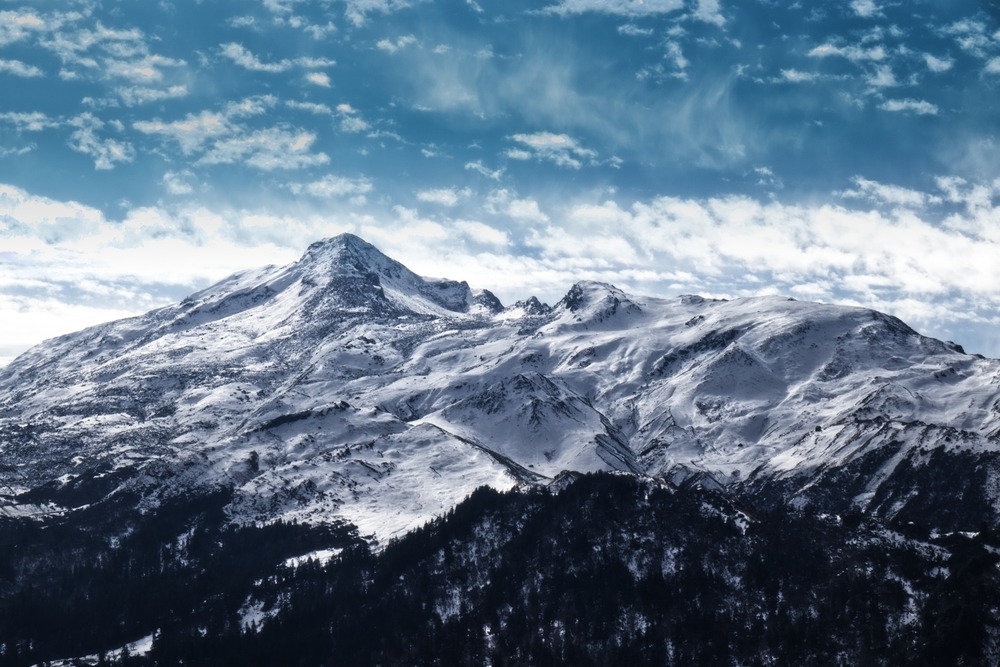
Clear skies mean uninterrupted views of Nanda Devi, Hathi Ghoda, Dronagiri, and Chaukhamba
-
The snow is compact enough for safe crampon use during summit day
April to early May is when Pangarchulla shows its true character. You get that classic Himalayan summit experience—snow under your boots, crisp air, and dramatic ridgelines—without extreme winter risks.
Who Should Choose Spring
-
First-time snow peak trekkers
-
People aiming for a successful summit
-
Those who want balanced difficulty and safety
I’ve noticed that most experienced guides naturally prefer this window because conditions are predictable. On my own planning, I leaned on inputs from teams like Searching Souls, not because they advertise the trek aggressively, but because they consistently plan their Pangarchulla batches during this exact window—when success rates are highest.
Late May to June: Transition Phase (Not Ideal)
Late May starts changing the game—and not in your favor.
What Changes
-
Snow begins melting rapidly
-
Slushy trails increase risk of slipping
-
Afternoon clouds become frequent
-
Summit push becomes more exhausting
While the trek is still technically possible in early June, it’s no longer ideal. The snow quality deteriorates, making the final ascent unpredictable. I wouldn’t recommend this period unless you’re flexible with expectations and okay with turning back if conditions worsen.
For most trekkers, this season offers more struggle than reward.
Monsoon (July to September): Strictly Avoid
Let me be clear: Pangarchulla Peak Trek should not be attempted during monsoon.
Reasons to Avoid
-
Heavy rainfall triggers landslides on approach roads
-
Trails become muddy and dangerous
-
Snow bridges weaken
-
Cloud cover eliminates summit views
-
High risk with very low payoff
Even seasoned mountaineers stay away during this period. If you’re looking for a Himalayan trek during monsoon, there are better, safer options. Pangarchulla isn’t one of them.
Autumn (October to Early November): Beautiful but Limited
Autumn is tricky. It’s visually stunning but technically restrictive.
What Autumn Offers
-
Crystal-clear skies
-
Dry trails
-
Sharp mountain views
-
Less crowd
What It Lacks
-
Little to no snow on the summit route
-
Hard ice patches that increase technical difficulty
-
Colder nights with limited snow cushioning
Without enough snow, the climb becomes more exposed. Many trek leaders don’t attempt the summit in autumn because conditions aren’t consistent. Some teams still run the trek with flexible summit plans, but success depends heavily on weather patterns.
Autumn works best if:
-
You’re okay with a trek-focused experience rather than a guaranteed summit
-
You prefer solitude and clear views over snow adventure
Winter (December to March): For Experts Only
Winter Pangarchulla is a different beast altogether.
Why It’s Risky
-
Deep powder snow
-
Sub-zero temperatures
-
Avalanche-prone slopes
-
Short daylight hours
This season turns Pangarchulla into a technical mountaineering expedition. Only highly experienced climbers with proper gear and acclimatization should even consider it.
Most responsible trekking organizations don’t operate Pangarchulla in deep winter—and that’s a good thing.
Month-by-Month Quick Breakdown
| Month | Suitability | Verdict |
|---|---|---|
| January–March | Very Low | Avoid |
| April | Excellent | Best Time |
| Early May | Excellent | Best Time |
| Late May | Moderate | Risky |
| June | Low | Not Recommended |
| July–September | Very Low | Avoid |
| October | Moderate | Conditional |
| November | Low | Cold & Uncertain |
| December | Very Low | Avoid |
So, What’s the Best Time—Really?
If your goal is to stand on the summit of Pangarchulla Peak, feel that crunch of snow under your boots, and return safely with unforgettable views, April to early May is the best time—no second opinions.
Everything aligns during this window:
-
Weather
-
Snow quality
-
Visibility
-
Safety margins
That’s also why experienced guiding teams quietly structure their schedules around this period. When I was comparing trek logistics and safety planning, I noticed that groups like The Searching Souls focus less on marketing buzz and more on when the mountain actually allows a fair attempt if you want to go through them you can give a look at their pangarchulla trek package. That approach matters more than flashy promises.
Final Thoughts
Pangarchulla Peak Trek rewards those who respect timing. Go too early or too late, and the mountain pushes back. Choose the right season, and it opens up—challenging but fair.
If you’re planning seriously, don’t just ask how hard the trek is. Ask when the mountain is ready. For Pangarchulla, the answer is clear: spring is your window—use it wisely.