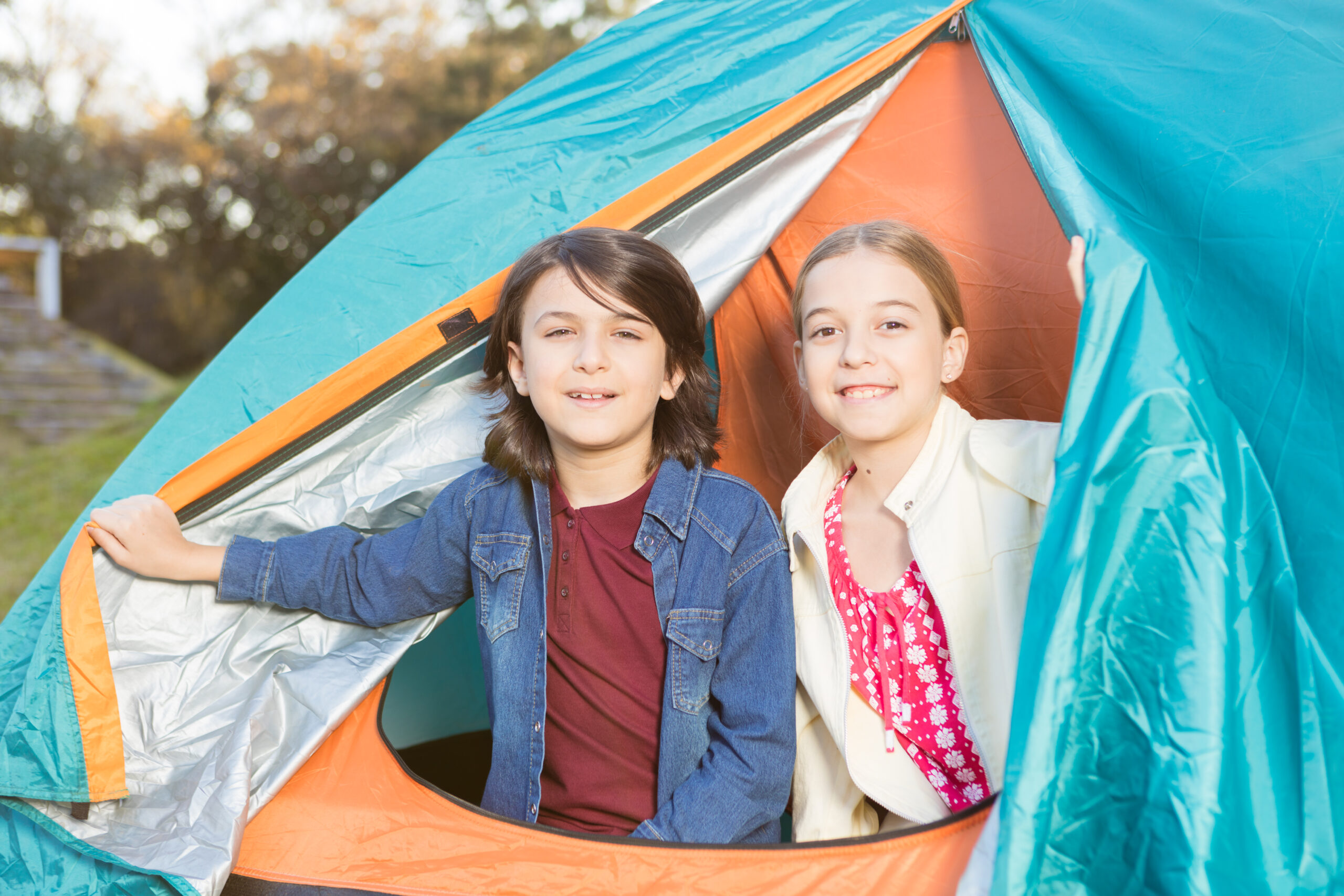
Children grow best when learning feels active and real. Outdoor challenges help them test ideas, build courage, and enjoy small wins with friends. An outdoor camp in Singapore setting gives space to explore nature, solve problems, and gain confidence through action.
Families often notice stronger social skills and focus after such experiences. Programmes shaped with care, like those designed by Sportybots, guide children through age-fit tasks that feel safe and fun. These moments replace screens with movement and help confidence take root early.
Why Outdoor Activities Shape Confidence Early
Outdoor learning places children in real settings where actions bring results, which makes lessons easier to grasp. Unlike indoor lessons, nature responds at once, so effort links directly to outcome. A rope holds or slips, while a path leads forward or ends, and these moments teach cause and effect with clarity.
Children gain confidence when they:
- Even make choices that see outcomes in real time
- Also work with peers toward shared aims, which builds trust.
- Each complete task with visible results, therefore boosting pride
Outdoor camps, as a result, offer space for these moments to unfold with purpose.
1. Nature Trail Quests
Children follow marked paths and solve clues as a team, which keeps focus sharp and minds alert.
- While builds focus on simple tasks
- Even sparks trust through shared goals.
- Also shapes calm thinking under mild pressure.
How it builds confidence
Camp for 6-year-olds children lead turns, reads signs, andguidese friends, while teamwork keeps progress steady. Each step rewards effort, and the trail gives feedback through movement, which helps children trust judgment.
Skills children develop
- While decision-making through clear choices
- Even group cooperation through shared roles
- Also, spatial awareness through movement
2. Tent Building Drills
Children pitch tents using poles, ropes, and clear steps, which link thought with action.
- Even grows problem-solving skills.
- While it teaches patience through trial
- Even builds pride through visible results.
How it builds confidence
Hands guide work, and success stands in front of them, which creates instant satisfaction. Children see proof of effort in the structure they raise, so belief grows through achievement.
Learning value
Tent building links planning with doing, while mistakes invite adjustment. Children plan steps, test ideas, and adjust when parts shift, which strengthens resolve.
3. Team Obstacle Runs
Children cross beams, crawl nets, and jump logs, which challenge both body and focus.
- Each strengthens body control.
- Also builds trust in group support.
- Even encourages goal setting.
How it builds confidence
Children finish what they start and cheer each other, which builds shared pride. Each obstacle marks progress, so success feels earned.
Physical and mental growth
- Balance also strengthens through movement.
- Focus under over challenge through repetition.
- Even peer encouragement through shared wins.
4. Campfire Story Circles
Children share short stories or act out scenes near a fire pit, which creates a calm space for expression.
- Also builds voice strength.
- Even supports social bonds.
- Also, sparks creative thought.
How it builds confidence
Listeners respect each speaker, which lifts self-worth and trust. Speaking before peers helps children own their ideas while learning to value others.
Emotional benefits
Story sharing builds empathy, while turn-taking teaches patience. Children learn to listen and respond with care, which supports emotional balance.
5. Simple Orienteering Games
Children use maps and markers to reach points, which sharpens focus and planning.
- Even sharpens direction sense.
- Also builds choice skills.
- While teaching calm planning
How it builds confidence
Correct camp for 6-year-olds brings clear wins, so children link effort with success. Each decision shapes the route, which builds trust in judgment.
Thinking skills involved
- Even map reading through visual cues.
- Also, pattern spotting through landmarks
- While logical planning through step order
6. Water Play Challenges
Children move water with cups or balance items across shallow zones, which adds excitement without risk.
- Even improves balance
- Also builds care for safety rules.
- While encourages teamwork
How it builds confidence
Small risks teach control and trust, while rules guide action. Children learn limits through movement, which supports steady growth.
Key outcomes
- Also, respect for rules through guidance.
- Even shared problem-solving through teamwork.
- Keep Body awareness through balance
7. Creative Craft from Nature
Children collect leaves, sticks, and stones to build art, which links creativity with exploration.
- Also grows fine motor skills.
- Even sparks pride in ideas.
- Also builds patience
How it builds confidence
Each piece reflects personal effort, so children value their work. Ideas take shape through hands, which strengthens belief.
Creative growth
Nature crafts support imagination while linking children to their surroundings, therefore deepening their connection.
8. Group Problem Games
Children solve puzzles that need shared ideas, which encourages cooperation.
- Even builds listening skills.
- Also encourages fair turns.
- Each teaches respect
How it builds confidence
Every voice shapes success, so children feel valued. Solutions form through discussion, which builds trust.
Social learning
These games show how teamwork leads to progress, while shared goals reduce fear of failure.
9. Reflection Circles
Children talk about wins and lessons from the day, which helps ideas settle.
- Builds self-awareness
- Supports emotional growth
- Strengthens memory
How it builds confidence
Children name their strengths in their own words, which reinforces belief. Reflection helps them recognise progress through language.
Why reflection matters
Talking through experiences helps children connect effort with results, so learning feels complete.
How These Activities Work Together
Each activity plays a role, yet confidence grows through connection rather than isolation. Physical tasks build courage, while creative moments support expression. Group challenges teach trust, and reflection ties learning together.
Together, they help children:
- Face new tasks with curiosity instead of fear
- Recover from mistakes with calm.
- Celebrate progress with peers.
This balance, therefore, shapes steady self-belief.
Safety and Structure in Outdoor Camps
Confidence grows best within clear limits, as structure supports freedom. Strong guidance ensures that children feel secure while exploring.
Effective camps include:
- Clear instructions before tasks
- Defined activity zones for safety
- Consistent adult guidance for trust
Children feel secure when boundaries are clear, which supports bold action.
Final Thought
Confidence grows through steady effort and clear support. Outdoor activities give children chances to try, adjust, and succeed with peers beside them. An outdoor camp in Singapore can leave lasting lessons that shape learning, friendships, and self-belief. When children reflect on progress, pride follows, and fear fades. With thoughtful guidance from teams such as Sportybots, camps balance safety and challenge with ease. The right outdoor moments help children carry courage forward, step by step, into daily life.
FAQ
Q 1: What age group suits outdoor confidence-building camps?
These camps suit young children who enjoy active play and group learning. Activities match attention span and ability, which helps children feel secure while trying new tasks and building social skills.
Q 2: How do outdoor activities help shy children?
Outdoor tasks create shared goals and gentle challenges. Children focus on actions rather than fear, which helps shy learners speak, lead small tasks, and gain comfort within a supportive group.
Q 3: Are outdoor camps safe for young children?
Well-planned camps use clear rules, defined spaces, and close supervision. Safety measures guide each activity, which allows children to explore freely while adults manage risk and support learning.
Q 4: What skills do children gain from outdoor camps?
Children build problem-solving ability, communication skills, emotional awareness, and physical coordination. These skills develop through teamwork, reflection, and hands-on tasks that link effort with clear outcomes.