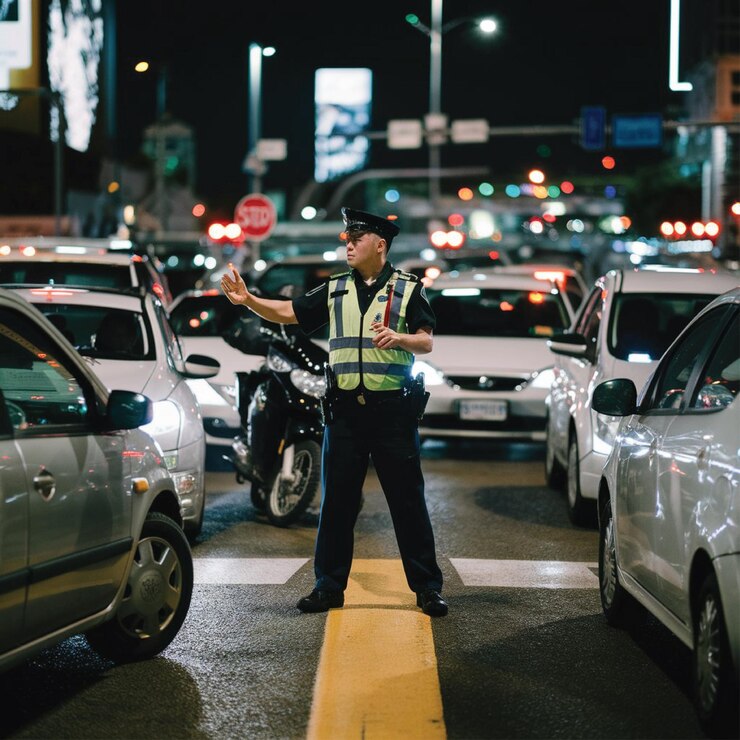
Traffic incidents rise fast when roads shift, teams work close to cars, or crowds move through tight spaces. One wrong sign or a gap in planning can slow a project and put people at risk. Many site managers try to handle traffic on their own, yet stress often builds when they face complex rules or heavy flow.
A trusted traffic control company offers trained staff, safety plans, and clear guidance when you need it most. You’ll see the exact situations where expert help becomes vital and how it protects workers, drivers, and the public.
Let’s break down the eight moments when outside traffic support is not just smart, but essential.
Understanding the Role of a Traffic Control Company
Some individuals may think that these are the same as putting up cones on the road. However, these are more than that since they require proper planning to be implemented.
Risk Assessment
The team also examines the site to identify dangers such as those to vehicle traffic, pedestrians, and workers. Therefore, accidents do not occur.
Well-Trained Personnel
Marshals and flaggers direct traffic in a manner that prevents confusion and ensures that all site workers remain safe.
Equipment Management
Cones, barriers, signs, and temporary lights are used to direct traffic lanes or to serve as warnings for traffic.
1. Roadworks and Maintenance Projects
Roadworks change traffic patterns fast, and drivers do not always react in time. A traffic control company keeps the area safe for workers and the public. Their planning reduces confusion and prevents sudden risks.
- Clear signs and cone placement: Guide drivers safely through the site.
- Lane closures and safe detours: Prevent accidents and congestion.
- Directing vehicles and pedestrians: Ensure smooth movement around the work zone.
- Reducing road rage and crash risks: Maintain calm and order on busy streets
2. Large Public Events and Festivals
Events attract more people and vehicles. This causes strain on other roads. A traffic safety company helps create a smooth flow and prevent chaos. This makes the event a safer and more organized place.
- Avoiding bottlenecks: Efficient control of entry/exit points.
- Maintaining Access: This will help the emergency service vehicles have easy access.
- Crowd surges: Handling sudden surges; Crowd control: Managing crowds to ensure
- Navigating vehicles in congested car parking lots: Reducing confusion and optimizing parking.
3. Construction and Building Sites
Bustling sites have continual movement from machinery, lorries, and workers. If this movement is not controlled, the chances of an accident increase. A traffic safety company provides structured routes that keep all parties safe.
- Truck guidance and reversing support: Avoidance of collisions during manoeuvres.
- Controlled site access points: Let the vehicles and pedestrians move out of the hazards.
- Safe routes for workers: Reduce the risk of incidents.
- Tight manoeuvres for heavy machines: Guaranteed to ensure large equipment moves safely.
4. Emergency or Unplanned Road Incidents
Storms, crashes, and blocked roads demand fast response. Traffic controllers help secure the scene and protect emergency crews. Their quick action prevents further chaos.
- Road closures and diversions: Keep traffic away from danger.
- Clear rerouting for drivers: Prevent congestion and accidents.
- Managing low-visibility zones: Reduce risks during bad weather or night-time incidents.
- Keeping vehicles out of danger areas: Protect both public and emergency teams.
5. Utility and Infrastructure Work
Utility crews often work close to the road, where drivers do not expect them. Traffic control ensures vehicles stay aware and move safely around the zone.
- Lane changes near work sites: Guide vehicles safely around repairs.
- Safety around technicians: Protect workers from moving traffic.
- Signage for unexpected hazards: Warn drivers in advance.
- Managing long-duration repairs: Keep traffic flowing during extended work.
6. Film, TV, and Commercial Shoots
Outdoor shoots close streets, pathways, and parking lots. Traffic control teams ensure the public’s safety and the smooth operation of the entire production from start to finish.
- Permit guidance and compliance: Ensure that filming requirements by law are complied with.
- Barriers and controlled zones (safety): Protection of crew and public
- Smooth flow around filming areas: Minimize delays for vehicles and pedestrians.
- Less disruption for locals: Minimize disorder in residential areas.
7. Oversized or Special Load Transport
Big cargoes demand space, low speed, and care. Traffic control is necessary to keep roads safe and to warn traffic about the upcoming cargo.
- Planned travel routes: Steer clear of roads that are heavily trafficked or
- Escort vehicles: To guide and safeguard the load during transport.
- Early warning to road users: Alert drivers to approach an oversized vehicle.
- Preventing risky overtaking: Minimizing danger to other road users.
8. School Zones and Community Areas
School zones face sharp bursts of traffic each morning and afternoon. Traffic control improves safety for children, parents, and staff.
- Guiding drop-off and pick-up flow: Reduce congestion and confusion.
- Slowing traffic near crossings: Protect students and pedestrians.
- Reducing congestion: Keep roads near schools moving safely.
- Keeping children safe during busy times: Ensure predictable and secure traffic patterns.
A provider with these qualities handles flow with ease and helps your project stay compliant.
Why Expert Traffic Planning Improves Project Efficiency
Even a minor congestion problem in traffic may end up slowing down the entire project. Professional traffic management ensures that the flow of cars, delivery, or even labor is smooth.
Smarter Flow Saves Time
Smooth vehicle traffic prevents sudden formation of traffic queues. At busy construction sites, routing dictates truck routes to ensure trucks arrive on time to prevent delaying the construction schedule.
Fewer Disruptions
Signs, barricades, and marshals help eliminate confusion while preventing traffic from hampering the flow, which makes the workflow smooth and predictable.
Immediate Benefits
Professional traffic management means that the results start being realized from day one, which includes less delay, safe flow, and improved access for deliveries, ensuring the project remains efficient.
What to Look for When Choosing a Traffic Control Company
Choose a company that brings trust, skill, and clear communication. Look for:
- Certified staff trained to handle high-risk zones
- Accurate traffic plans that reflect real conditions
- Reliable equipment, including signs and barriers
- Fast response times for urgent changes
- Proven experience across events and roadworks
- Clear pricing with no hidden extras
Conclusion
Roadways change, the number of pedestrians increases, and construction zones change suddenly. Each example above illustrates the quick potential for danger when a flow is disrupted. A traffic control company, like Enfort, intervenes with defined policies, trained personnel, and designated routes to ensure the safety of all participants.
When your sites or events grow, quality support brings you peace of mind and ease of work. When you work with a high flow rate, a crowd, or a complex road pattern, you need quality guidance to prevent delays and ensure crowd safety. Follow these signs as you plan your next event or project.
FAQs
1. What is a traffic control company’s purpose?
They organize safe flow of vehicles and pedestrians, install directional signs and barriers, coordinate lane closure, direct maneuvering of heavy vehicles, and assist crew members during active work.
2. Do I need traffic control for small projects?
Even small projects can cause confusion if located close to an active area. If your project involves walkways or any lane, getting expertise is important for enhanced safety of workers as well as getting project progress on time.
3. What is the earliest point for which I should consider booking a traffic control service?
It’s always best to book once your project dates are finalized. Big projects may need more time, and you should find assistance as soon as you can.
4. Are traffic plans mandatory by law?
Some areas demand strict traffic schemes in case of lane closure, event, or road work. An experienced company helps you to abide by the legal requirements to avoid fines.