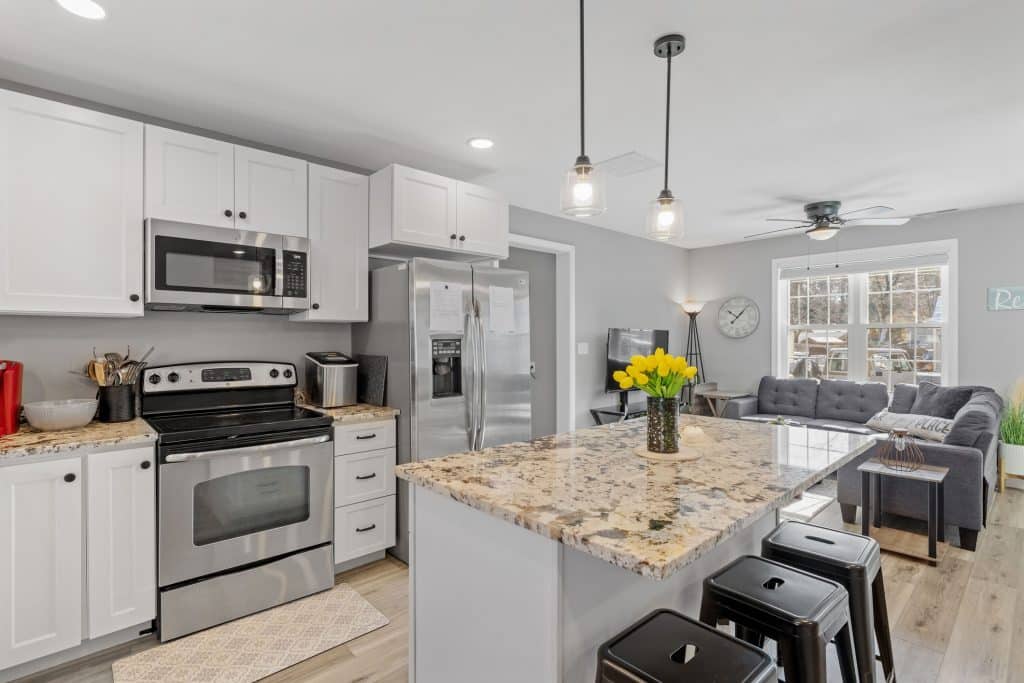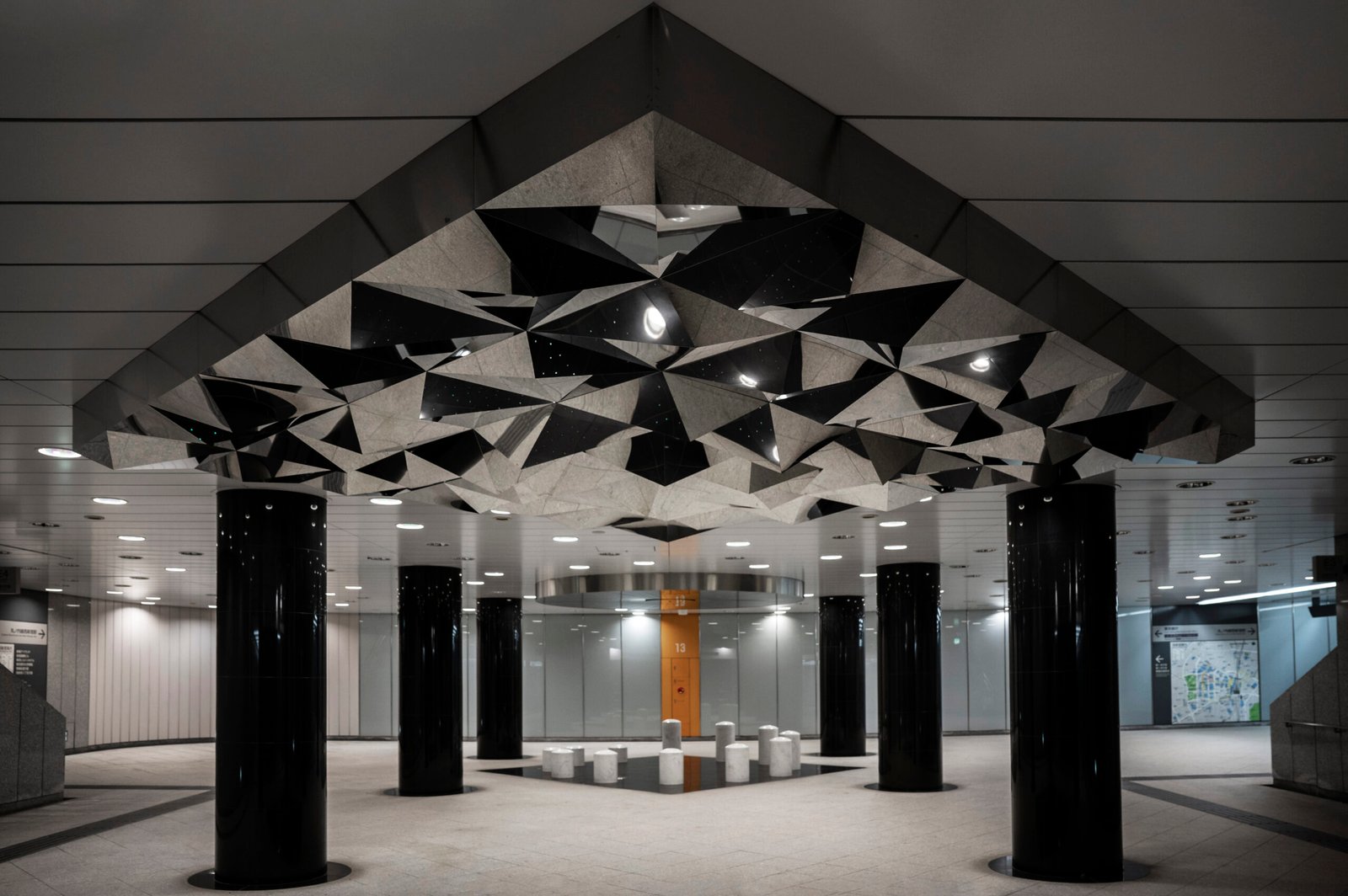
Architectural LED lighting uses LED lights to shape, highlight, and improve modern buildings. It helps buildings look clear, safe, and beautiful at night and day. It also saves energy and lasts a long time.
This guide shares 7 practical architectural LED lighting ideas for modern buildings, written in very simple language and based on real-world lighting design experience.
What Is Architectural LED Lighting?
Architectural LED lighting means using LED lights as part of a building’s design. The lights are not just for seeing. They also show shapes, lines, and spaces.
Simple Definition
- Architectural = about buildings
- LED = low-energy, long-life lights
- Architectural LED lighting = LED lights used to improve how a building looks and works
Easy Example
- A soft LED line under stairs
- Wall lights that show texture
- Light strips around a building edge
These lights make a building feel modern and clean.
Why Architectural LED Lighting Matters in Modern Buildings
Modern buildings often use clean lines, glass, metal, and open spaces. Bad lighting can hide these features.
Good architectural LED lighting helps to:
- Show the building shape
- Improve safety
- Save power
- Create a calm mood
Without proper lighting, even a great building can look flat or dark.
Why the Problem Exists: Poor Lighting Choices
Many buildings still use old lighting methods. These cause problems.
Common Reasons
- Lights placed too high or too low
- Too much brightness
- Wrong light color
- Old bulbs that waste energy
Resulting Issues
- Glare in the eyes
- Uneven light
- High power bills
- Short bulb life
Architectural LED lighting solves most of these problems when used the right way.
How Architectural LED Lighting Works
LED lights are small and flexible. This makes them easy to hide or shape.
How Designers Use Them
- Built into walls or floors
- Hidden in ceilings
- Placed along edges or lines
Why LEDs Are Used
- Use less power
- Stay cool
- Last many years
- Come in many colors and tones
This makes LEDs perfect for modern building design.
7 Architectural LED Lighting Ideas for Modern Buildings
Below are seven expert-backed ideas that work well in homes, offices, and public buildings.
1. Linear LED Lighting for Clean Lines
Linear LEDs are long, thin light strips. They are very popular in modern design.
Where to Use Them
- Ceilings
- Hallways
- Stair edges
- Wall lines
Why It Works
- Matches modern straight shapes
- Gives even light
- Looks neat and simple
Real-Life Example
An office hallway with one LED line on each side of the ceiling feels wider and brighter.
2. Wall Wash Lighting to Show Texture
Wall washing spreads light across a wall surface.
Best For
- Stone walls
- Concrete walls
- Wood panels
Key Benefit
- Shows texture clearly
- Makes walls look smooth and rich
Expert Tip
Place the light close to the wall for even coverage.
3. Cove Lighting for Soft Indoor Glow
Cove lighting is hidden light placed in ceiling edges.
Where It Fits
- Living rooms
- Hotel lobbies
- Meeting rooms
Why Designers Love It
- No harsh glare
- Soft and calm light
- Makes rooms feel larger
Simple Example
A living room with warm cove lighting feels relaxed at night.
4. Facade Lighting to Highlight the Building Shape
Facade lighting lights the outside of a building.
Common Uses
- Offices
- Hotels
- Museums
Lighting Methods
- Up-lighting from the ground
- Down-lighting from the roof
Important Note
Use soft light. Too much brightness can bother neighbors.
5. Step and Pathway LED Lighting for Safety
These are small lights built into steps or paths.
Why They Matter
- Prevent falls
- Guide people at night
- Add a clean look
Best Places
- Staircases
- Garden paths
- Entryways
Common Mistake
Using lights that are too bright and hurt the eyes.
6. Accent Lighting for Key Features
Accent lighting draws attention to one area.
What to Highlight
- Art pieces
- Columns
- Plants
- Signs
How It Helps
- Adds depth
- Creates focus
- Improves visual balance
Expert Insight
Accent light should be 3 times brighter than the surrounding light, but not harsh.
7. Smart LED Lighting for Control and Flexibility
Smart LEDs can change brightness or color.
Controlled By
- Phone apps
- Wall panels
- Timers
Benefits
- Save energy
- Adjust mood
- Easy control
Example
Office lights that dim in the evening help people relax.
Who Architectural LED Lighting Is For
Architectural LED lighting works for many people.
Ideal For
- Architects
- Building owners
- Interior designers
- Facility managers
Building Types
- Homes
- Offices
- Hotels
- Schools
- Retail spaces
If a building needs better light and lower energy use, this solution fits.
Key Benefits of Architectural LED Lighting
Here are the main benefits in simple words:
- Low energy use
- Long life
- Clean design look
- Better safety
- Less heat
- Many design options
These benefits make LEDs a smart long-term choice.
Common Mistakes People Make
Even good lights can fail if used wrong.
Top Mistakes
- Choosing the wrong light color
- Using too many lights
- Ignoring glare control
- Poor placement
- No lighting plan
How to Avoid Them
- Plan before installing
- Test light samples
- Use simple layouts
Safety Tips and Warnings
Architectural LED lighting is safe, but care is still needed.
Important Safety Tips
- Use proper voltage
- Follow local rules
- Avoid water exposure unless rated
- Install with trained workers
Warning
Cheap, low-quality LEDs may flicker or fail early.
Cost and Pricing: What to Expect
Costs vary based on size and design.
Price Factors
- Light type
- Control system
- Installation work
- Building size
General Idea
- LEDs cost more at first
- They save money over time
- Lower power bills
- Fewer replacements
Always think long-term, not just upfront cost.
Best Practices for Long-Term Results
Good lighting needs care.
Maintenance Tips
- Clean fixtures every few months
- Check drivers yearly
- Update controls if needed
Design Best Practices
- Use warm light for homes
- Use neutral light for offices
- Keep it simple
Simple designs last longer and age better.
When to Seek Professional Help
You should seek professional help when:
- Lighting feels uneven
- Power use is too high
- The building has complex shapes
- Safety rules apply
Lighting experts help avoid mistakes and save money over time.
Soft Educational Recommendation
For large or modern projects, learning from experienced lighting teams can be helpful. Some lighting companies share design knowledge, case studies, and best practices that help planners make better choices without pressure or promotion.
Conclusion
Architectural LED lighting improves modern buildings in clear, simple ways. It saves energy, adds safety, and highlights design features when planned correctly. Many designers study real projects and insights from industry leaders like Nuordic Lighting Company to understand how lighting supports modern architecture.
FAQs
What is architectural LED lighting?
It is the use of LED lights to improve how a building looks and functions.
Is architectural LED lighting expensive?
It may cost more at first but saves money over time.
Which light color is best for modern buildings?
Neutral white is best for work areas, warm white for living spaces.
Can LED lighting be used outdoors?
Yes, if the lights are rated for outdoor use.
How long do architectural LED lights last?
Most last many years with proper use and care.